Variational raises $50 million Series A to bring liquidity from traditional markets to blockchain rails
Quick Take
Variational secures $50 million Series A to integrate traditional market liquidity into blockchain.
Key Points
- Focuses on sourcing liquidity from traditional providers.
- Aims to differentiate from competitors like Hyperliquid.
- Funding will enhance blockchain liquidity solutions.
📖 Reader Mode
~3 min readThe crypto industry has long defined itself in opposition to traditional finance but, in recent years, the two worlds are on a path to convergence. The latest example is Variational, a startup that has built a protocol for decentralized derivatives trading, but one that is aimed at gathering liquidity from traditional finance dealers rather than from niche crypto shops. The company believes its blockchain-based platform can challenge longtime incumbents when it comes to offering a wide array of derivatives.
This pitch has proved popular with investors as Variational on Wednesday announced it has raised a $50 million Series A funding round led by Dragonfly Capital, with participation from Bain Capital Crypto and Coinbase Ventures. Bain Capital Crypto led Variational’s $10.3 million seed round, which closed in 2021 but was announced in 2024.
The Cayman Islands-based Variational is aiming to compete in an increasingly competitive market when it comes to offering so-called “real-world assets,” including oil or commodities, in a blockchain wrapper that can be traded instantly around the world. Most notably, Singapore-based blockchain and exchange Hyperliquid has become a go-to venue for trading commodities on the weekends. But whereas many existing crypto exchanges like Hyperliquid operate order books that connect buyers and sellers, Variational aggregates liquidity from existing venues like large crypto exchanges and traditional finance dealers to make markets as deep as possible.
“Order books have a cold start problem. They’re not porting liquidity, they’re rebuilding liquidity,” Variational co-founder and CEO Lucas Schuermann said in an interview with Fortune. “Even on the most liquid stuff—that to be fair to them is very tradable currently on chain … there’s still a 100x gap or more between liquidity that’s on Hyperliquid and traditional finance sources like say trading on the CME.”
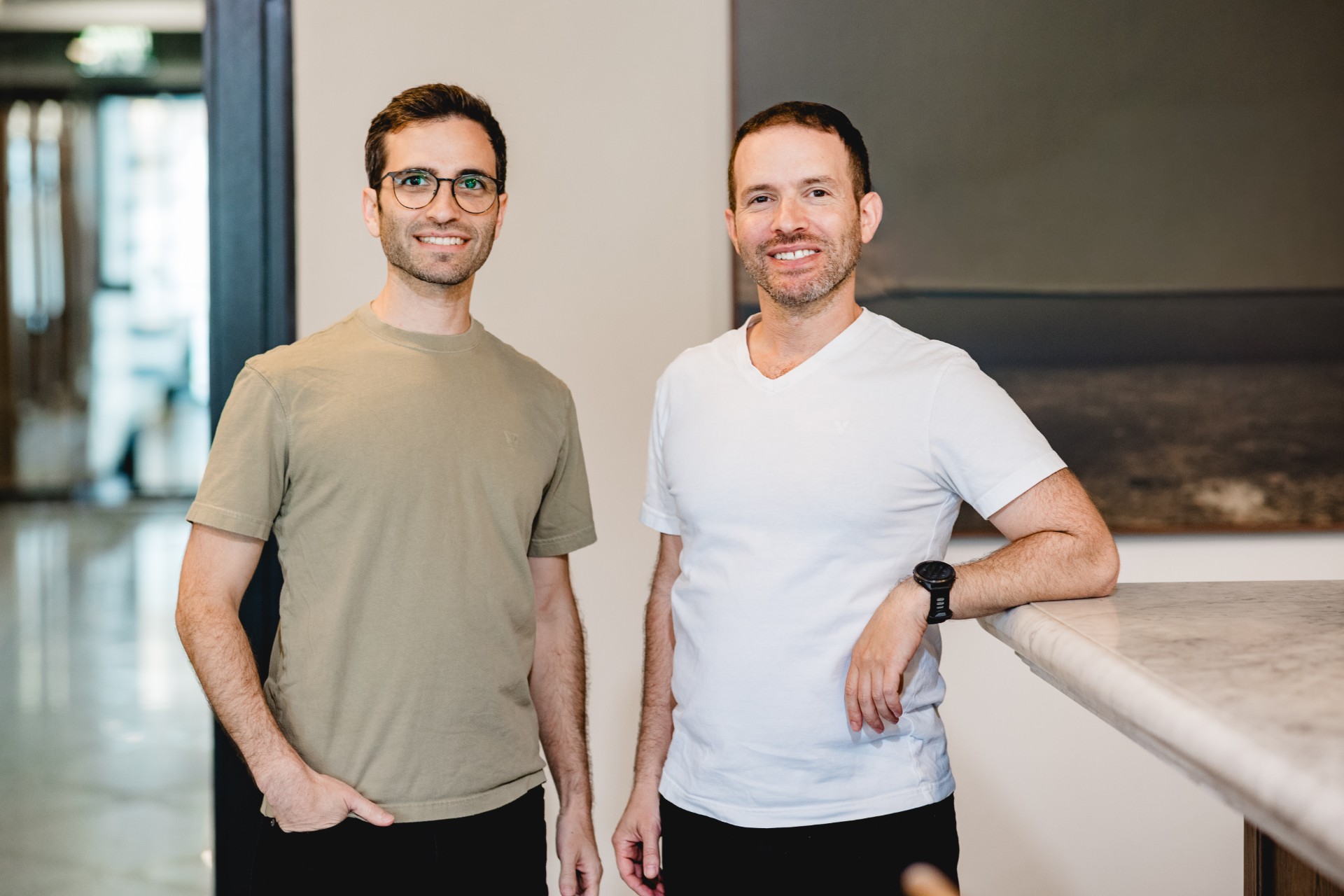
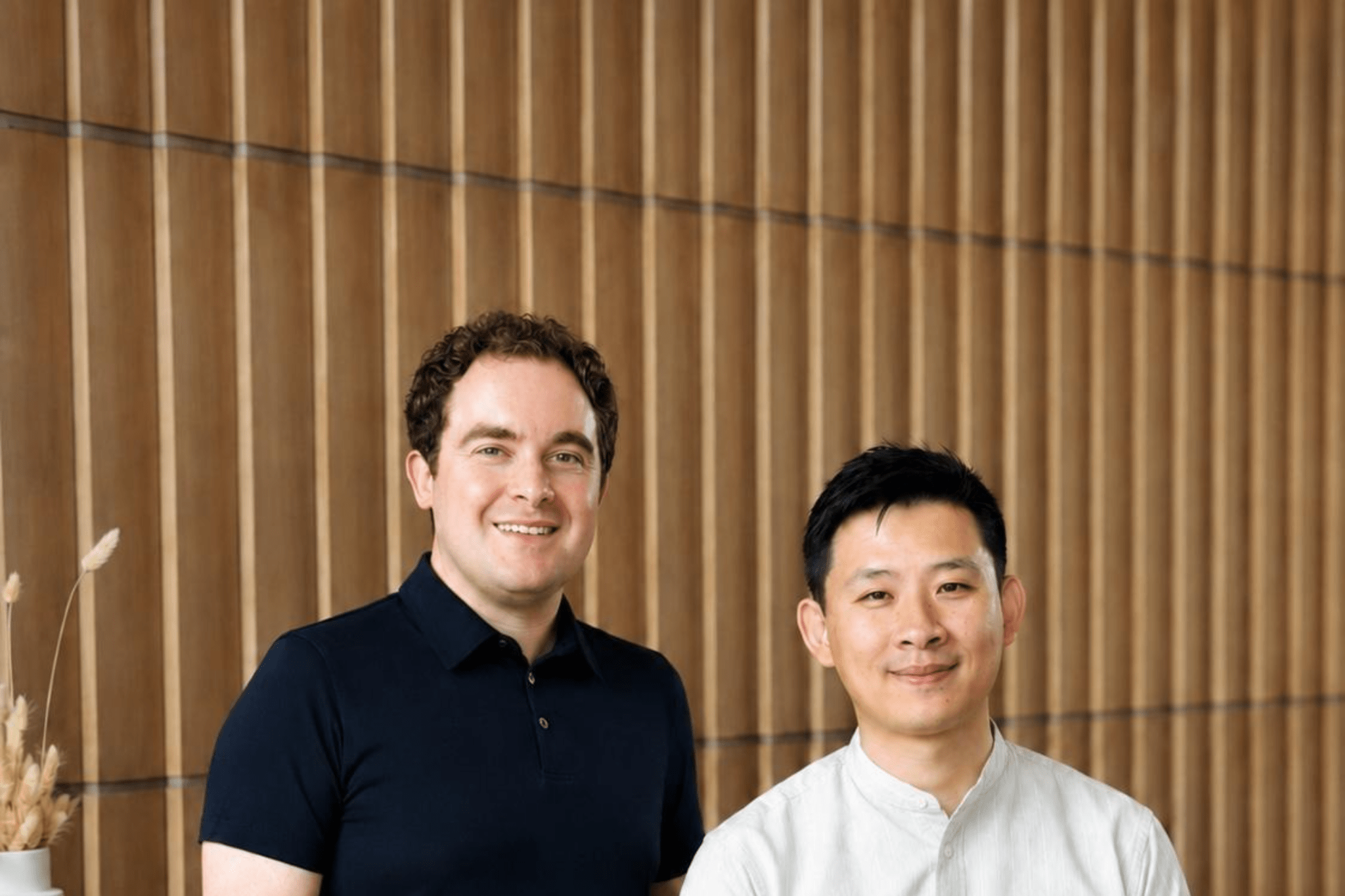
Variational’s co-founders, Schuermann and Edward Yu, met after being placed in adjoining rooms in an entrepreneurship-focused dorm during their freshman year at Columbia. The pair would go on to start a quantitative trading firm that was acquired by Barry Silbert’s Digital Currency Group before leaving in 2021 to found Variational. The company has grown to 24 employees.
It’s not hard to find points of comparison between Variational and Hyperliquid, which is currently the hottest venue in crypto trading. Like Hyperliquid, Variational hosts a retail-focused app for trading perpetual futures, which are futures contracts without an expiration date. Both projects began on the Ethereum-based blockchain, Arbitrum. Also like Hyperliquid, Variational’s trading app Omni offers a vault of assets that act as a counterparty to user trades, called Omni Liquidity Provider, or OLP.
But in an interview, Variational’s founders argued that the platform isn’t directly competitive with Hyperliquid.
“We don’t view Hyperliquid as a direct competitor, or exchanges in general, for that matter. We actually rely on them,” Schuermann said. The co-founder called Variational more “brokerage-like” and said that with its zero-fee trading approach, Robinhood might be a better point of comparison.
Moving forward, Variational’s priorities are to open up its Omni platform from its current, invite-only state to being open to the public in select jurisdictions. It also plans to deepen its existing real-world asset liquidity with more liquidity partnerships and add more tradeable assets to its platform. Schuermann said he expects Omni’s deep liquidity to create a “retail zero-to-one moment for RWA trading.”
FORTUNE CRYPTO 100: Fortune's new annual list will recognize companies driving meaningful progress in digital assets—from infrastructure and investment to applications and adoption. Is your organization is shaping the future of blockchain? Submit your nomination today.
— Originally published at fortune.com