How Metropolis built a $5 billion AI infrastructure company out of America’s parking problem
Quick Take
Metropolis aims to revolutionize infrastructure with a $5 billion AI solution for parking challenges.
Key Points
- CEO Alex Israel introduces a 'recognition economy' concept.
- Combines computer vision, biometrics, and mobility technologies.
- Targets inefficiencies in physical infrastructure.
📖 Reader Mode
~6 min readAlex Israel knows where autonomous vehicles go to sleep at night.
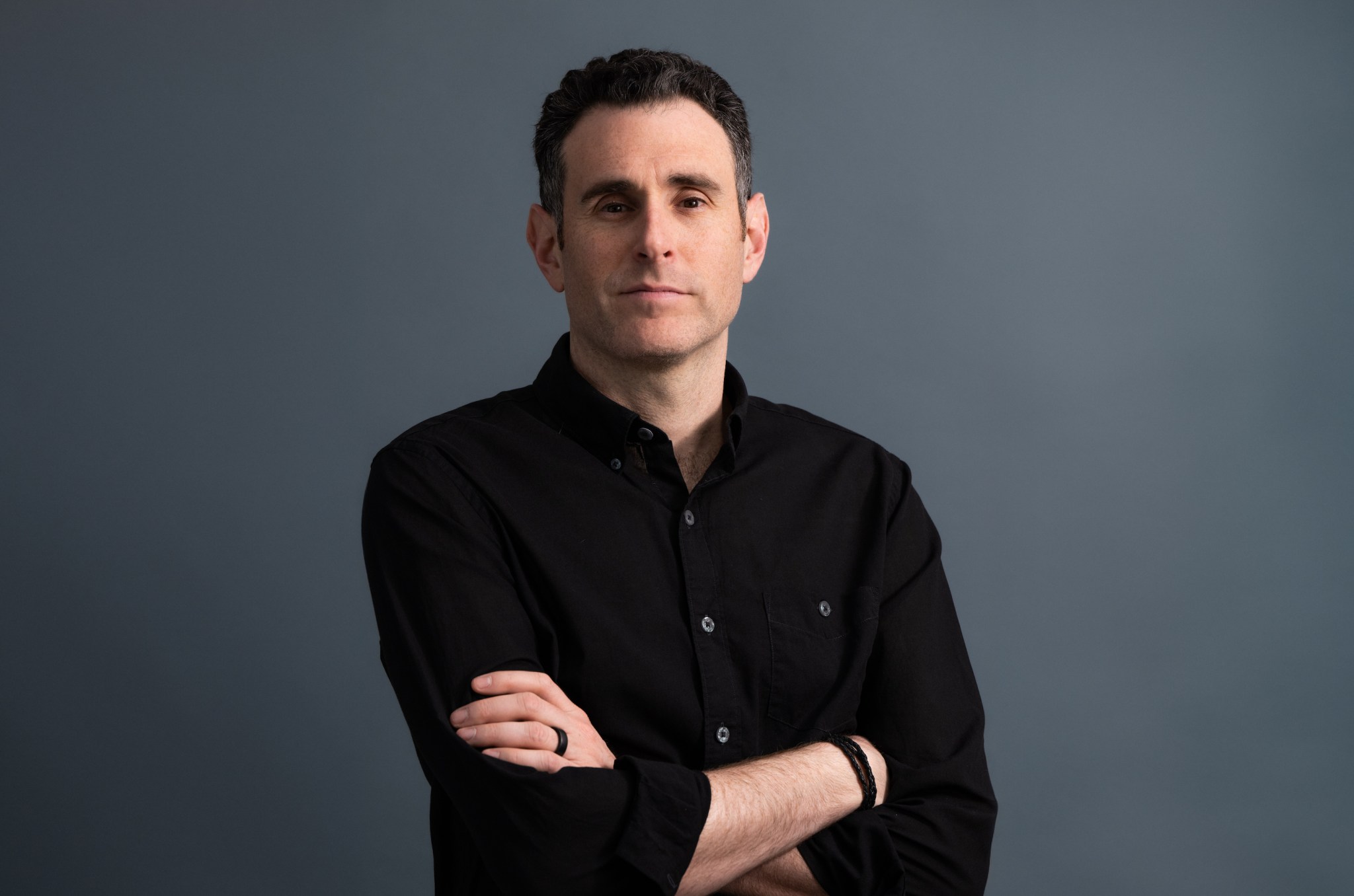
Israel is the CEO of Metropolis, an AI computer vision infrastructure company that processes $5 billion in annual payments volume, controls more than 4,200 locations across the country, and employs 23,000 people. The parking payment (now AI recognition services) company was born in 2018 to solve the parking payment problem. “It’s boring, it’s riddled with friction, and it’s an experience that we just thought could never get better,” Israel told me.
The pitch he’s making now is something he calls the “recognition economy”—a computer vision layer (the ability of a camera to “see” and understand what it’s looking at—not just capture an image) that sits between people and physical infrastructure—parking garages, fueling stations, hotel lobbies, retail floors—and learns who you are the moment you show up. No ticket. No tap. No wallet. Just presence. “It’s about being recognized everywhere you go,” Israel said.
While you may have never heard of Metropolis, the numbers are hard to ignore. In 2024, Metropolis completed the take-private of SP+, the largest U.S. parking network operator, for $1.5 billion—the largest venture-backed M&A deal of that year. In January 2025, it acquired Oosto, an Israeli AI biometrics firm, for $125 million. That November, the company closed a $1.6 billion round—$1.1 billion of it a Term Loan B arranged by J.P. Morgan, with a $500 million Series D led by LionTree—valuing Metropolis at roughly $5 billion. And in December 2025, it announced a partnership with Joby Aviation to build out 25 vertiports across the U.S.—turning parking structures into launchpads for air taxis, and spaces where autonomous vehicles can go to park, charge, get cleaned and be redeployed. (Blade, Joby’s urban air mobility subsidiary, is already using Metropolis’s Bags VIP service at JFK and Newark.)
Metropolis’ thesis, Israel said, is infrastructure: “How do you connect old world infrastructure with next-generation mobility?”
It’s a compelling frame. It also comes with complications. Earlier this year, Metropolis settled with the Tennessee AG for $8.75 million over allegations of deceptive pricing and surprise fees. The company, in 2024, also faced a federal class action under the Driver’s Privacy Protection Act over how it accesses motor vehicle records to issue parking notices. Israel told me he considers the Tennessee matter tied to legacy operations and some of the legacy acquisitions that Metropolis made over the years.
“As I think about the future and moving past the sins of previous acquisitions, I’m hyper-focused on how you build that balance of driving convenience, privacy, and trust for consumers,” he said. According to Israel, that means exploring how privacy is owned by the consumer, where they would and would not like to be recognized, rather than scaling back on biometrics.
Metropolis’ cap table runs from early-stage venture—including UP Partners and Slow Ventures—through Vista Credit Partners, Silver Lake, and Dragoneer, all the way to private equity stalwarts BDT, MSD, and Eldridge. Israel describes it as a “growth buyout,” a structure he claims Metropolis pioneered: marry an AI business to an old-world operator, capture venture upside while PE infrastructure absorbs the downside. “You create something that is rarely seen by the market,” he said.
The company hopes to cross 30 million platform members (registered users on the company’s network) by the end of this year. Israel describes Metropolis as “a very EBITDA, very free cash-flow positive company”—and when asked about an IPO, he didn’t flinch. “It would be wonderful,” he said. “This idea that you take something like an idea in a garage with co-founders and take it all the way to IPO is a dream.”
See you tomorrow,
Lily Mae Lazarus
X:@LilyMaeLazarus
Email:lily.lazarus@fortune.com
Submit a deal for the Term Sheet newsletter here.
Joey Abrams curated the deals section of today’s newsletter. Subscribe here.
VENTURE CAPITAL
- RADAR, a San Francisco, San Diego, and New York City-based AI-powered retail intelligence platform, raised $170 million in Series B funding. Gideon Strategic Partners and Nimble Partners led the round and were joined by Align Ventures.
- Nourish, a New York City-based metabolic health clinic, raised $100 million in Series C funding. Menlo Ventures led the round and was joined by Thrive Capital, Index Ventures, J.P. Morgan Growth Equity Partners, Maverick Ventures, Y Combinator, BoxGroup, Atomico, Daybreak, and Operator Partners.
- Viktor, a Wilmington, Del.-based AI coworker agent that can integrate in Slack and Microsoft Teams, raised $75 million in Series A funding. Accel led the round and was joined by Bek Ventures, Kaya VC, Inovo VC and Tenacity Capital.
- bunch, a Berlin, Germany-based developer of AI-powered fund operations infrastructure for private markets, raised $35 million in Series B funding. Portage led the round and was joined by Illuminate Financial and others.
- Ocean, a New York City-based agentic email security platform, raised $28 million in funding. Lightspeed Venture Partners led the round and was joined by Picture Capital, Cerca Partners, and angel investors.
- Eisen, a New York City-based developer of AI-powered compliance operations for financial services, raised $18.5 million across Series A and seed rounds. MissionOG led the $10 million Series A round and Index Ventures led the $8.5 million seed round.
- getquin, a Berlin, Germany-based wealth platform for private investors, raised €12 million ($13.9 million) in funding. Portage and State Street Investment Management led the round and were joined by existing investors Horizons Ventures, Sino AG, and Heartfelt.
- Benji, a Chicago, Ill. and New York City-based API for loyalty partnerships, raised $6.3 million in seed funding. Preface Ventures and Atinc led the round and were joined by Great North Ventures, M25, and Hyde Park Venture Partners.
- Century Health, a New York City-based company applying AI to clinical data to accelerate research, raised $5 million in seed funding. Origin Ventures led the round and was joined by InnovateHealth Ventures, 25madison, Next Play Ventures, 2048 Ventures, Alumni Ventures, and angel investors.
- FaceUp, a Charleston, S.C.-based ethics and compliance platform, raised $5 million in Series A funding. Fil Rouge Capital led the round and was joined by JIC Ventures, Venture to Venture Fund, Gi21 Capital, and existing investors.
- AVIAN, a Zurich, Switzerland-based industrial AI company, raised $2.6 million in pre-seed funding. Founderful led the round.
- Voker, a Los Angeles, Calif.-based agent analytics platform for AI product teams, raised $2.2 million in pre-seed funding. Y Combinator and FundersClub led the round.
- Craci, a Helsinki, Finland-based cybersecurity startup, raised €1.4 million ($1.6 million) in pre-seed funding. Lifeline Ventures led the round.
- Overwatch AI, a Barcelona, Spain-based developer of an AI tool for pilots, raised $1.5 million in pre-seed funding. United Airlines Ventures and Baobab Ventures led the round and were joined by Pegasus Innovation Lab, Masia, and angel investors.
- Novity, a San Carlos, Calif.-based predictive maintenance platform, raised $1 million from Acario Innovation.
PRIVATE EQUITY
- Learning Pool, a portfolio company of Marlin Equity Partners, acquired Confirm, a San Francisco-based platform that deploys employee coaching agents in Slack and Microsoft Teams. Financial terms were not disclosed.
- Marco Sealing Solutions, a portfolio company of Align Capital Partners, acquired Pride Seals, a Cincinnati, Ohio-based provider of sealing products and services. Financial terms were not disclosed.
- Zoovu, a portfolio company of FTV Capital, acquired XGEN AI, a New York City-based AI-powered search, merchandising, and recommendations platform for e-commerce. Financial terms were not disclosed.
PEOPLE
- Ground State Ventures, an Amsterdam, The Netherlands-based venture capital firm, promoted Kris Kaczmarek to Partner.
- Kleiner Perkins, a Menlo Park, Calif.-based venture capital firm, hired Aatish Nayak as a Partner. Previously, he served as Vice President of Product at Harvey.
- Weatherford Capital, a Tampa, Fla.-based private equity firm, hired Todd Marcy as a Partner. Previously, he was with Avenue Capital Group.
— Originally published at fortune.com