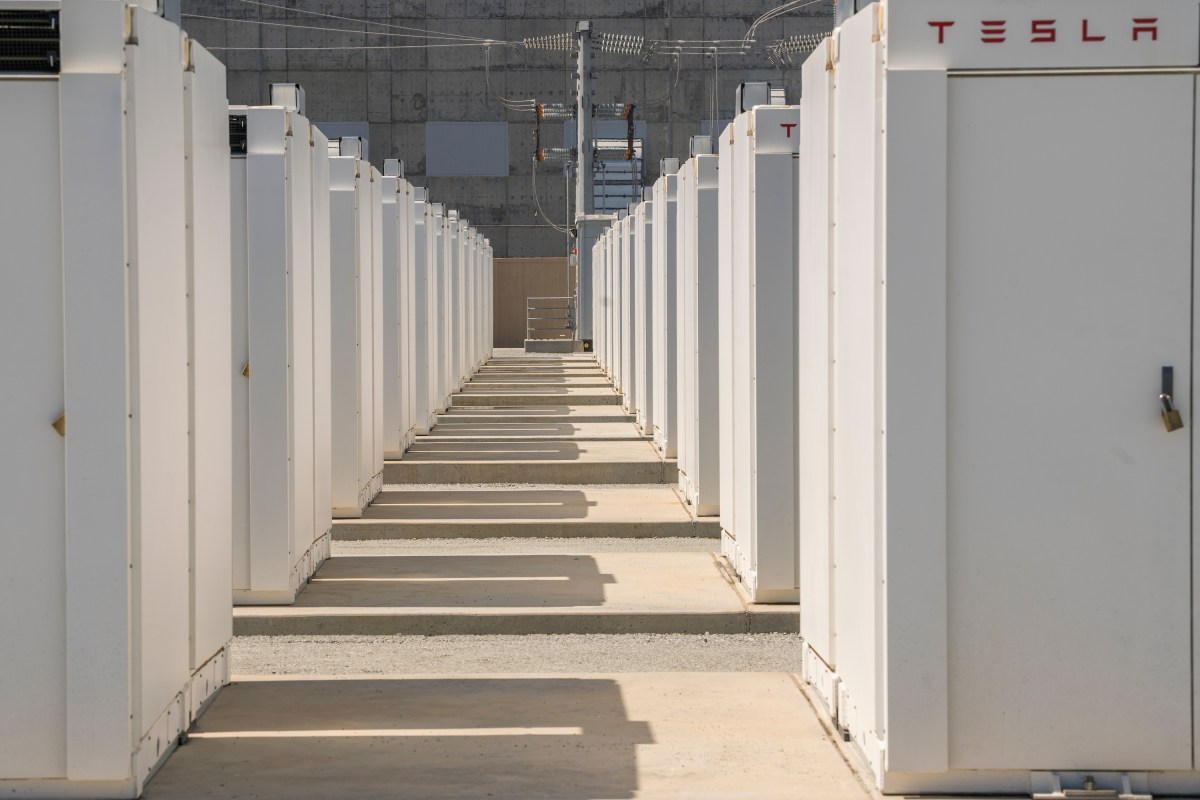
SpaceX has bought $329M worth of Tesla Megapacks so far this year
Quick Answer
SpaceX has purchased $329 million worth of Tesla Megapacks in 2026, with $295 million spent in Q2 alone.
Quick Take
These large-scale batteries are likely deployed at xAI data centers, enhancing power stability and efficiency for AI workloads.
Key Points
- SpaceX's total Megapack expenditure reached $329 million in 2026.
- In Q2 2026, SpaceX spent $295 million on Tesla Megapacks.
- xAI previously purchased $430 million worth of Megapacks for its data centers.
- Megapacks provide backup power and stabilize fluctuating AI data center demands.
- SpaceX acquired $131 million worth of Tesla Cybertrucks by December 2025.
DeepSignal Analysis
What happened
In 2026, SpaceX has spent $329 million on Tesla Megapacks, with $295 million allocated in the second quarter alone. These batteries are likely intended for use at xAI data centers, which require stable power for AI operations.
Key evidence
- SpaceX's total expenditure on Tesla Megapacks reached $329 million in 2026, as reported in their earnings report.
- In Q2 2026, SpaceX spent $295 million on these battery storage devices, indicating a significant investment in energy solutions.
- Prior to merging with SpaceX, xAI had purchased $430 million worth of Megapacks for its data centers, highlighting the ongoing demand for large-scale battery solutions.
Why it matters
The substantial investment in Tesla Megapacks by SpaceX reflects a strategic move to enhance power reliability for AI workloads at xAI data centers. As AI operations can have fluctuating power demands, integrating large-scale batteries can help mitigate costs and ensure consistent performance, which is critical for the efficiency of AI model training and inference.
What to watch
📖 Reader Mode
~2 min read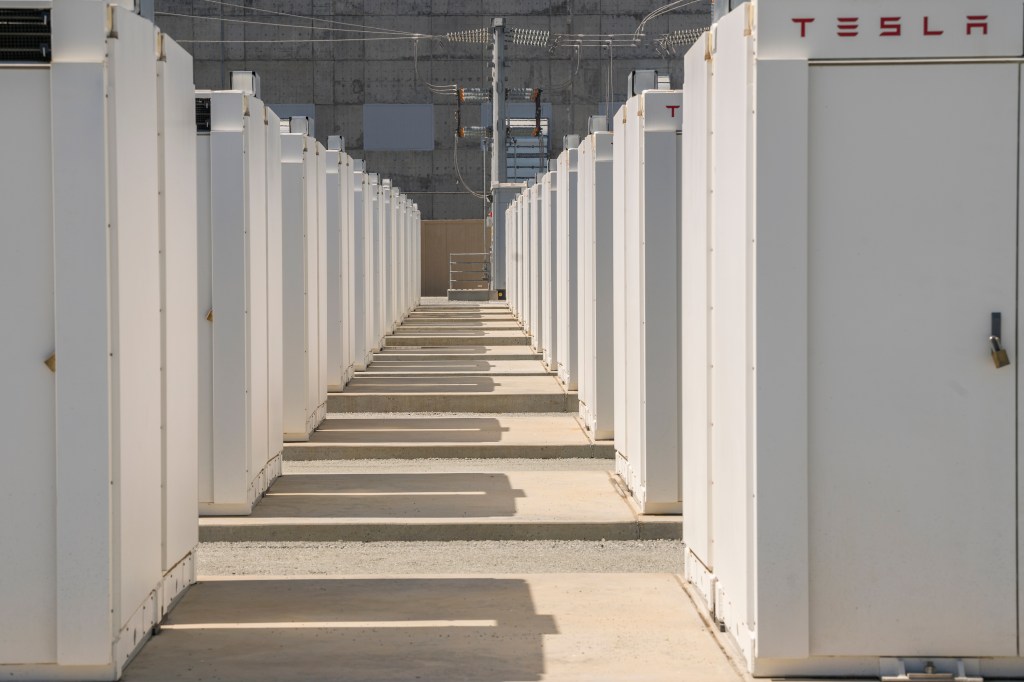
SpaceX has ramped up purchases of Tesla Megapack, spending $295 million on the battery storage devices in the second quarter and $329 million so far this year, according to the company’s earnings report released on Tuesday.
The purchase illustrates just how interconnected Elon Musk’s universe of companies are. Musk, who is the CEO and largest shareholder of SpaceX, also runs Tesla. Musk’s artificial intelligence business xAI acquired his social media platform, X, in 2025. Earlier this year, SpaceX gobbled up xAI.
The industrial-scale batteries are likely being deployed at the company’s xAI data centers. Before xAI merged with SpaceX, the AI company bought $430 million worth of Megapacks for its data centers. In the first quarter of this year, xAI had purchased only $34 million worth of the equipment. SpaceX also reported that as of December 2025, it had acquired $131 million worth of Tesla Cybertrucks at manufacturer’s suggested retail price, according to its regulatory filing.
Though xAI has leaned heavily on natural gas to power its data centers — including dozens of unpermitted turbines at a site in Mississippi not far from the Colossus data center project — large batteries like the Megapack are still a critical part of data centers.
In addition to providing substantial backup power that can be tapped in a second or less, batteries can provide extra power to GPUs when they demand it. AI data centers don’t draw power consistently. Rather, their power demand ramps up and down depending on the demands of training AI models and running inference.
Such peaks can incur significant charges from a local utility or overwhelm on-site generators. Batteries help smooth out those peaks, lowering costs while ensuring that the data center can operate consistently.
Topics
When you purchase through links in our articles, we may earn a small commission. This doesn’t affect our editorial independence.
Tim De Chant is a senior climate reporter at TechCrunch. He has written for a wide range of publications, including Wired magazine, the Chicago Tribune, Ars Technica, The Wire China, and NOVA Next, where he was founding editor.
De Chant is also a lecturer in MIT’s Graduate Program in Science Writing, and he was awarded a Knight Science Journalism Fellowship at MIT in 2018, during which time he studied climate technologies and explored new business models for journalism. He received his PhD in environmental science, policy, and management from the University of California, Berkeley, and his BA degree in environmental studies, English, and biology from St. Olaf College.
You can contact or verify outreach from Tim by emailing tim.dechant@techcrunch.com.
— Originally published at techcrunch.com
Want this in your inbox every morning?
Daily brief at your local 8am — bilingual EN/中文, free.
More from TechCrunch
See more →
AI chip startup Etched defies skeptics, hits $10.3B valuation from big-name investors
AI chip startup Etched has achieved a $10.3 billion valuation after a $300 million Series C funding round, led by Sequoia and supported by notable investors like Andreessen Horowitz. The company claims to have developed innovative low-voltage chips for AI inference, significantly enhancing performance and reducing costs, with $1 billion in orders already booked.

