The European Union is considering building two undersea cables to connect to Asia via the Arctic. One of these projects proposes to go through Canada’s Northwest Passage, while the other will start in Scandinavia and cut directly through the North Pole. According to The Verge, the EU started looking north after recent turmoil in the Middle East, where 90% of the Europe-Asia internet traffic currently transits, resulting in multiple incidents of cut cables that have led to disruption.
The current situation started in 2024, when a Houthi missile struck a ship transiting the Red Sea through the narrow strait between Yemen and Djibouti. The attack caused the ship to drift aimlessly in the area, and its anchor cut three undersea cables going through the natural chokepoint. It took more than four months of negotiations before a cable repair ship could be brought in to mend the damage without getting attacked itself.
This regional instability is the primary reason why the EU is seeking new routes to Asia. At the moment, its alternatives are to either go through the United States or Russia. Going through the polar region is the only route that won’t go through territory controlled by other governments, but the proposed project, called Polar Connect, has its own challenges.
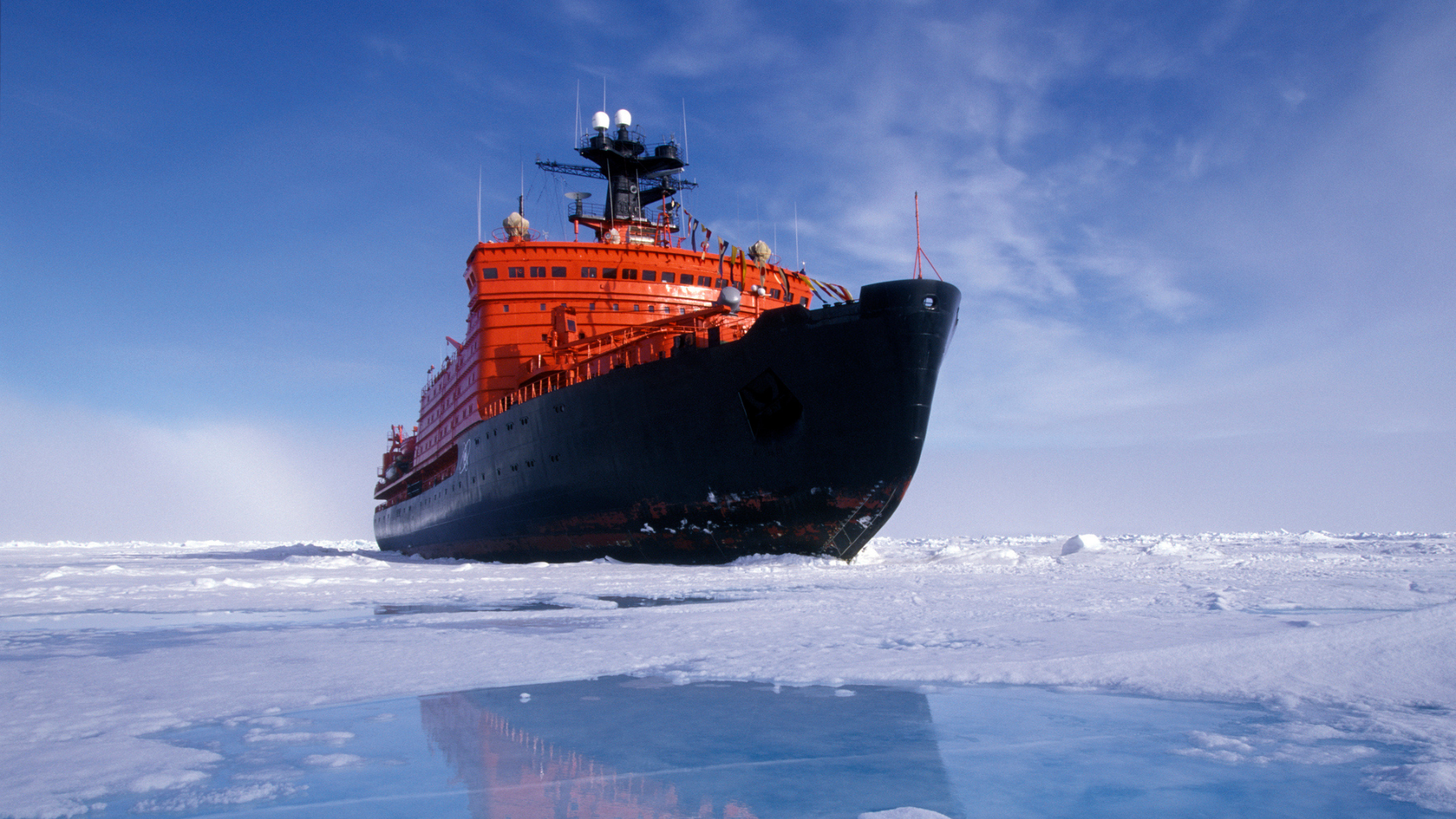
Ice and icebergs are the biggest issue with going through the Arctic region. These massive chunks of ice could scrape the seabed where the cables lie. Furthermore, there are no icebreaking cable-laying ships, so any operation would need at least two vessels, or a new cable-laying icebreaker, to get the job done. Finally, there’s the question of maintenance. Expensive repair costs due to the Arctic conditions and consequent lengthy downtimes would seem to make this route economically unfeasible.
Polar Connect would appear to face similar issues, but it seems that current global geopolitics are driving Europe to invest in an alternative that isn’t subject to the whims of unstable leaders. It aims to have the cable operational by 2030, but working in the challenging conditions of the Arctic will certainly have an impact on this schedule.
The EU isn’t the only region looking for alternatives to the Middle East bottleneck when it comes to undersea cables. Meta announced Project Waterworth in early 2025, which aims to bypass major chokepoints like the Middle East and the Strait of Malacca. Just like Polar Connect, this project aims to create an “information superhighway” that won’t be affected by geopolitical hotspots across the world.

Follow Tom's Hardware on Google News, or add us as a preferred source, to get our latest news, analysis, & reviews in your feeds.