Triomics nabs $22M to bring oncology-specific AI to cancer centers
Quick Answer
Triomics has secured $22 million in a Series B funding round led by Battery Ventures to develop oncology-specific AI solutions for cancer centers.
Quick Take
This investment aims to enhance cancer treatment through advanced AI models tailored for oncology, impacting patient care and operational efficiency in healthcare settings.
Key Points
- Triomics raises $22M to enhance AI solutions for oncology.
- Funding round led by Battery Ventures focuses on cancer treatment improvements.
- Investment aims to boost operational efficiency in cancer centers.
- New AI models will be tailored specifically for oncology applications.
📖 Reader Mode
~3 min readTriomics, a startup building an AI-powered platform to help oncologists and administrative staff automate data-heavy tasks like clinical trial matching and appointment prep, has raised $22 million in Series B funding.
The round was led by Battery Ventures, with participation from returning backers Nexus Venture Partners, Lightspeed, Y Combinator, and others.
The good news is that oncology breakthroughs are keeping patients alive longer. That welcome trend, however, is creating dense, multi-year medical records that take healthcare staff a long time to review and decipher.
A typical medical chart includes physician progress notes, imaging and pathology reports, and even scans of faxes. “We have seen medical records [with] thousands of pages of information,” Triomics co-founder Sarim Khan told TechCrunch.
Founded in 2021, the startup raised a $15 million Series A in mid-2024. Initially focused on helping doctors identify the most suitable clinical trials for their patients, Triomics expanded its platform as LLM capabilities grew. Over the last couple of years, Triomics added verifiable patient summaries to its platform as part of a broader visit-preparation workflow, surfacing key information directly within the tools clinicians already use, without requiring them to switch applications.
By reducing appointment prep time, these summaries give oncologists more time with their patients. The efficiency gain matters beyond individual appointments: In oncology, where patient histories are unusually complex and staff burnout is a persistent problem, tools that reduce administrative load have an outsized impact.
Triomics is also used to automate the tedious task of submitting tumor reports to government registries, a legal mandate for cancer centers.
While generic AI agents excel at basic summaries, prominent institutions like Memorial Sloan Kettering (MSK) and Yale Cancer Center use Triomics because its models are trained specifically on oncology data, Khan explained.
Triomics’ most direct competition comes from AI medical scribes like Abridge and Microsoft’s Nuance — tools that use AI to listen to and document patient-doctor conversations — when it comes to summarizing patient charts.
Despite the fierce competition, Triomics is growing fast. According to Khan, the startup expanded its enterprise customer base fourfold over the past year, driving a tenfold increase in annualized recurring revenue.
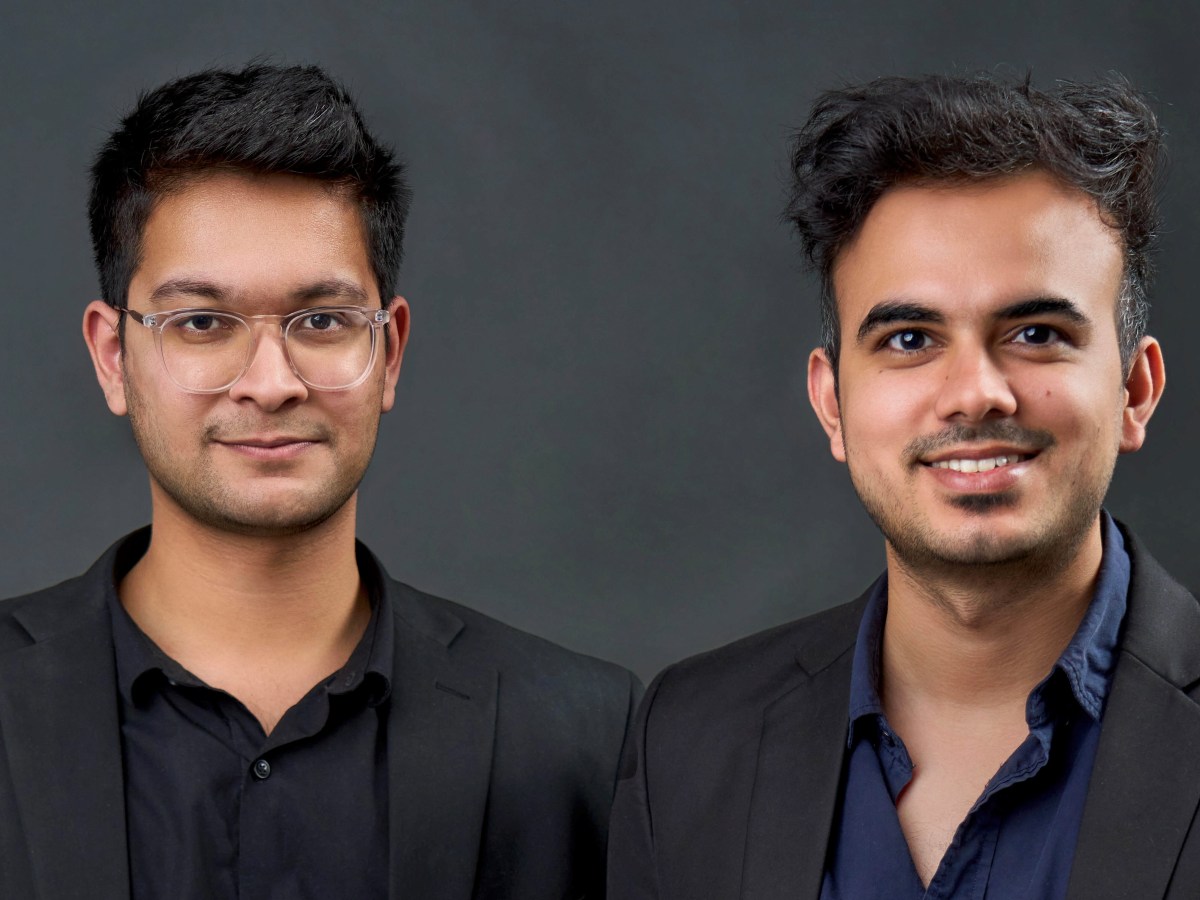
Pictured left to right: Sarim Khan, Triomics co-founder and CEO, and Hrituraj Singh, Triomics co-founder and CTO.
When you purchase through links in our articles, we may earn a small commission. This doesn’t affect our editorial independence.
Marina Temkin is a venture capital and startups reporter at TechCrunch. Prior to joining TechCrunch, she wrote about VC for PitchBook and Venture Capital Journal. Earlier in her career, Marina was a financial analyst and earned a CFA charterholder designation.
You can contact or verify outreach from Marina by emailing marina.temkin@techcrunch.com or via encrypted message at +1 347-683-3909 on Signal.
— Originally published at techcrunch.com
Want this in your inbox every morning?
Daily brief at your local 8am — bilingual EN/中文, free.
More from TechCrunch
See more →
AI chip startup Etched defies skeptics, hits $10.3B valuation from big-name investors
AI chip startup Etched has achieved a $10.3 billion valuation after a $300 million Series C funding round, led by Sequoia and supported by notable investors like Andreessen Horowitz. The company claims to have developed innovative low-voltage chips for AI inference, significantly enhancing performance and reducing costs, with $1 billion in orders already booked.

