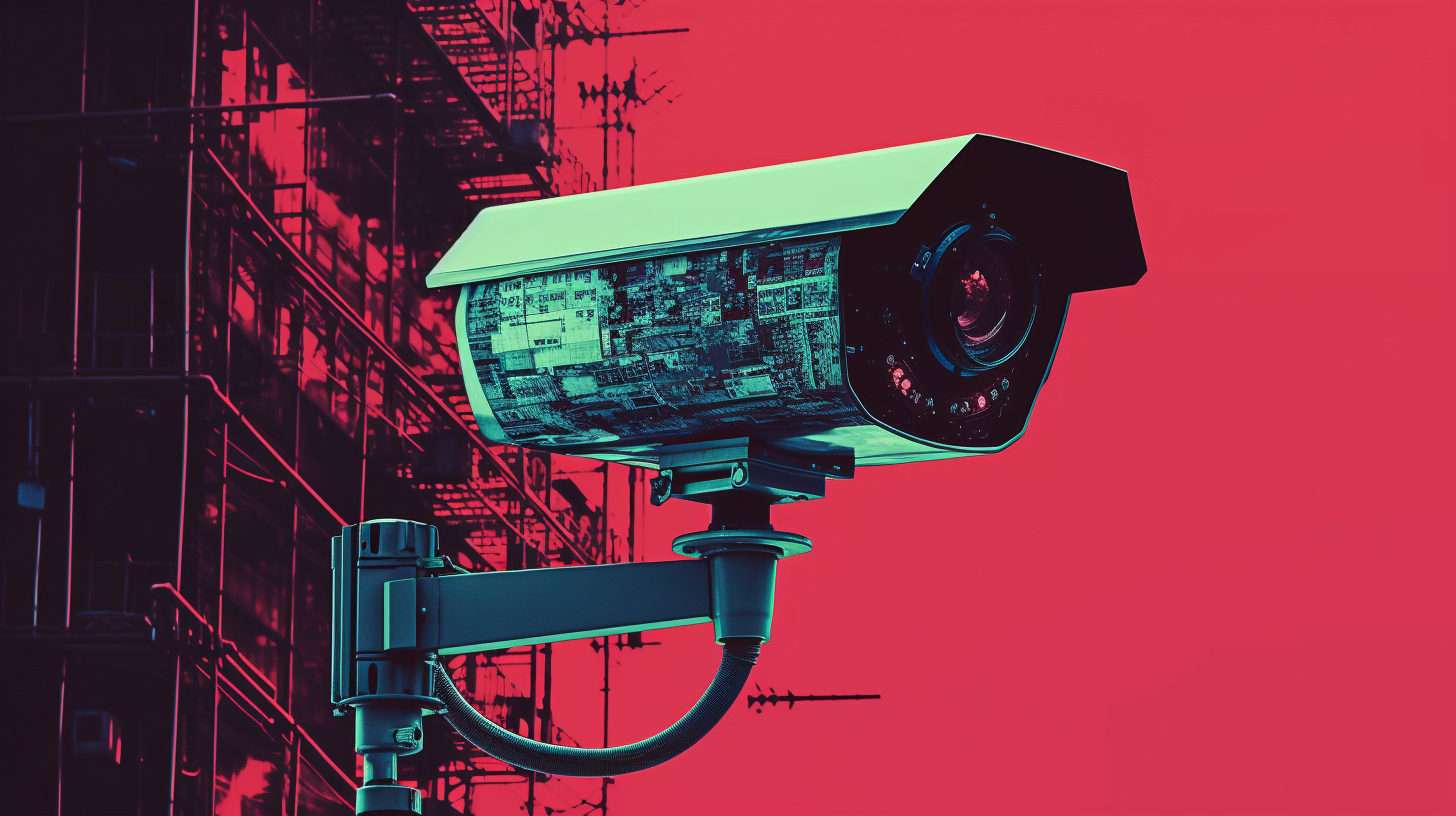
China turns its aging camera network into an AI-powered mass surveillance apparatus
Quick Answer
China is upgrading millions of aging surveillance cameras with AI capabilities from manufacturers like Hikvision and Huawei.
Quick Take
These new systems enable police to detect suspicious behavior and unauthorized access through text queries, raising concerns from Human Rights Watch about large-scale behavioral surveillance.
Key Points
- AI upgrades allow real-time detection of crowds and suspicious activities.
- Manufacturers like Hikvision and Huawei are leading the camera upgrades.
- Police can now query footage using simple text instead of manual reviews.
- Human Rights Watch warns of unprecedented surveillance implications.
- The initiative transforms existing infrastructure into a mass surveillance network.
Article Excerpt
From source RSS / original summaryChina's police are upgrading millions of old surveillance cameras with AI. Manufacturers like Hikvision and Huawei now ship cameras with built-in computer vision and language models that automatically detect crowds, suspicious behavior, or unauthorized access. Instead of reviewing footage manually, officers just type a text query. Human Rights Watch warns this creates unprecedented behavioral surveillance at scale.
The article China turns its aging camera network into an AI-powered mass surveillance apparatus appeared first on The Decoder.
Want this in your inbox every morning?
Daily brief at your local 8am — bilingual EN/中文, free.
More from The Decoder
See more →
An AI model programmed nonstop for 19 days on a single MirrorCode task that cost $2,600 to run
Epoch AI's MirrorCode benchmark reveals Claude Opus 4.7 as the leader with a 56% solve rate, reconstructing a 16,000-line toolkit in 14 hours. Despite this, all models tested struggle with the most complex tasks, highlighting limitations in current AI capabilities. The single task consumed $2,600 over 19 days, raising questions about cost-effectiveness in AI development.

