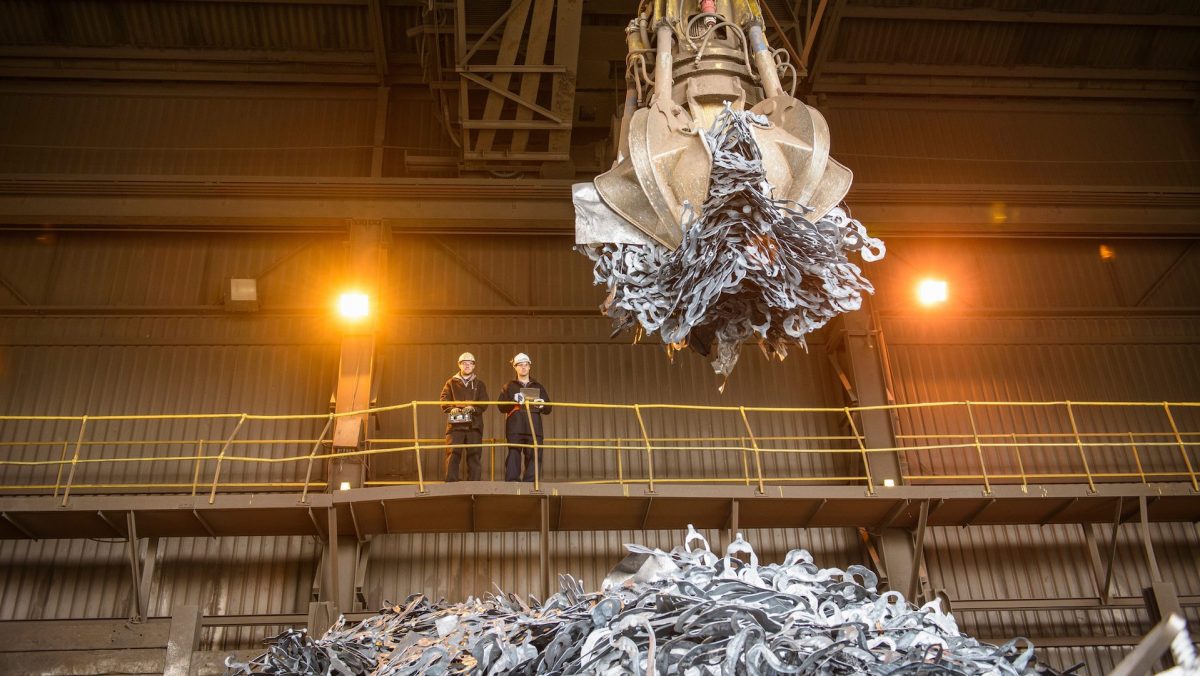
With aluminum prices up 20%, recycling startups bet on AI to cash in
Quick Answer
With aluminum prices surging 20%, recycling startups are leveraging AI technologies to enhance the recovery of aluminum and other critical minerals, aiming to create a substantial supply source.
Quick Take
These innovations could significantly impact the recycling industry and contribute to sustainable material sourcing.
Key Points
- AI technologies are being implemented to optimize aluminum recovery processes.
- Startups aim to create a substantial supply of recycled aluminum.
- The surge in aluminum prices is driving innovation in the recycling sector.
- Improved recovery methods could enhance sustainability in material sourcing.
📖 Reader Mode
~3 min readRising gas prices have been a recurring headline since the Trump administration started its war against Iran in late February, but it’s not the only commodity affected by the conflict. Around 10% of the world’s aluminum is made in the Gulf region, so prices of the metal have reached levels not seen in the last several decades.
Even before the war in Iran, the U.S. government had flagged aluminum as a critical mineral. A large share of U.S. demand for aluminum is met by imports, and much of the metal the country does produce is recycled. For recycling startups, it’s a good time to be in business.
“Aluminum might be 1% of the garbage stream, but it often trades for over $1,000 per ton,” Matanya Horowitz, CTO at waste sorting startup Amp, told TechCrunch. “It actually ends up being one of the most significant individual commodities.”
Aluminum is one of the most recycled materials in the U.S., but even then, only about 20% is recovered, according to the EPA. Waste sorting startups have been pitching AI as a way to improve those figures.
Sortera, a metals recycling startup, recently opened its second facility in Tennessee, the company exclusively told TechCrunch. The new site doubles the company’s processing capacity to 240 million pounds, of which 90% to 100% is aluminum. That’s a sizable fraction of the 4.3 million metric tons the U.S. used last year.
The Indiana-based startup focuses on sorting aluminum scrap. It uses a range of different sensors, including lasers, cameras and X-ray fluorescence, to feed AI algorithms that classify each potato chip-sized piece of scrap to identify the specific grade of aluminum. By separating the grades at higher accuracy, Sortera can make more profit per pound.
Amp has taken a different approach, using an AI-powered sorting system to sift through both recycling and general waste streams.
This system uses sensors, including visible light and infrared cameras, to identify everything from wrappers to foil, and differentiate plastics from aluminum. As the waste stream flows through the system on conveyor belts, robotic arms and puffers pluck or blow the materials into different bins. Amp says its system is over 90% accurate at recovering specific materials, including aluminum.
“Half of the aluminum in a metro area — in places with successful recycling programs — are just in the garbage, not even touching the recycling system,” Horowitz said. For the metals industry, recycling facilities like the kind being built by Sortera and Amp could bolster supplies of a critical mineral used through the economy.
“These types of projects are some of the biggest sources of domestically produced aluminum that are coming online in a given year,” he said.
When you purchase through links in our articles, we may earn a small commission. This doesn’t affect our editorial independence.
Tim De Chant is a senior climate reporter at TechCrunch. He has written for a wide range of publications, including Wired magazine, the Chicago Tribune, Ars Technica, The Wire China, and NOVA Next, where he was founding editor.
De Chant is also a lecturer in MIT’s Graduate Program in Science Writing, and he was awarded a Knight Science Journalism Fellowship at MIT in 2018, during which time he studied climate technologies and explored new business models for journalism. He received his PhD in environmental science, policy, and management from the University of California, Berkeley, and his BA degree in environmental studies, English, and biology from St. Olaf College.
You can contact or verify outreach from Tim by emailing tim.dechant@techcrunch.com.
— Originally published at techcrunch.com
Want this in your inbox every morning?
Daily brief at your local 8am — bilingual EN/中文, free.
More from TechCrunch
See more →
AI chip startup Etched defies skeptics, hits $10.3B valuation from big-name investors
AI chip startup Etched has achieved a $10.3 billion valuation after a $300 million Series C funding round, led by Sequoia and supported by notable investors like Andreessen Horowitz. The company claims to have developed innovative low-voltage chips for AI inference, significantly enhancing performance and reducing costs, with $1 billion in orders already booked.

