Grab bets on new delivery robots to fix Singapore’s ‘supply-constrained markets’ and solve the last-mile problem
Quick Take
Grab plans to pilot delivery robots in Singapore by late 2026 to address supply constraints.
Key Points
- Robots aim to enhance last-mile delivery efficiency.
- Pilot program set for Punggol district.
- Focus on alleviating supply-constrained markets.
📖 Reader Mode
~3 min readGrab sees autonomous vehicles as a solution to worker shortages markets like Singapore, where scarce and costly labor makes it difficult to expand delivery networks across the dense city-state.
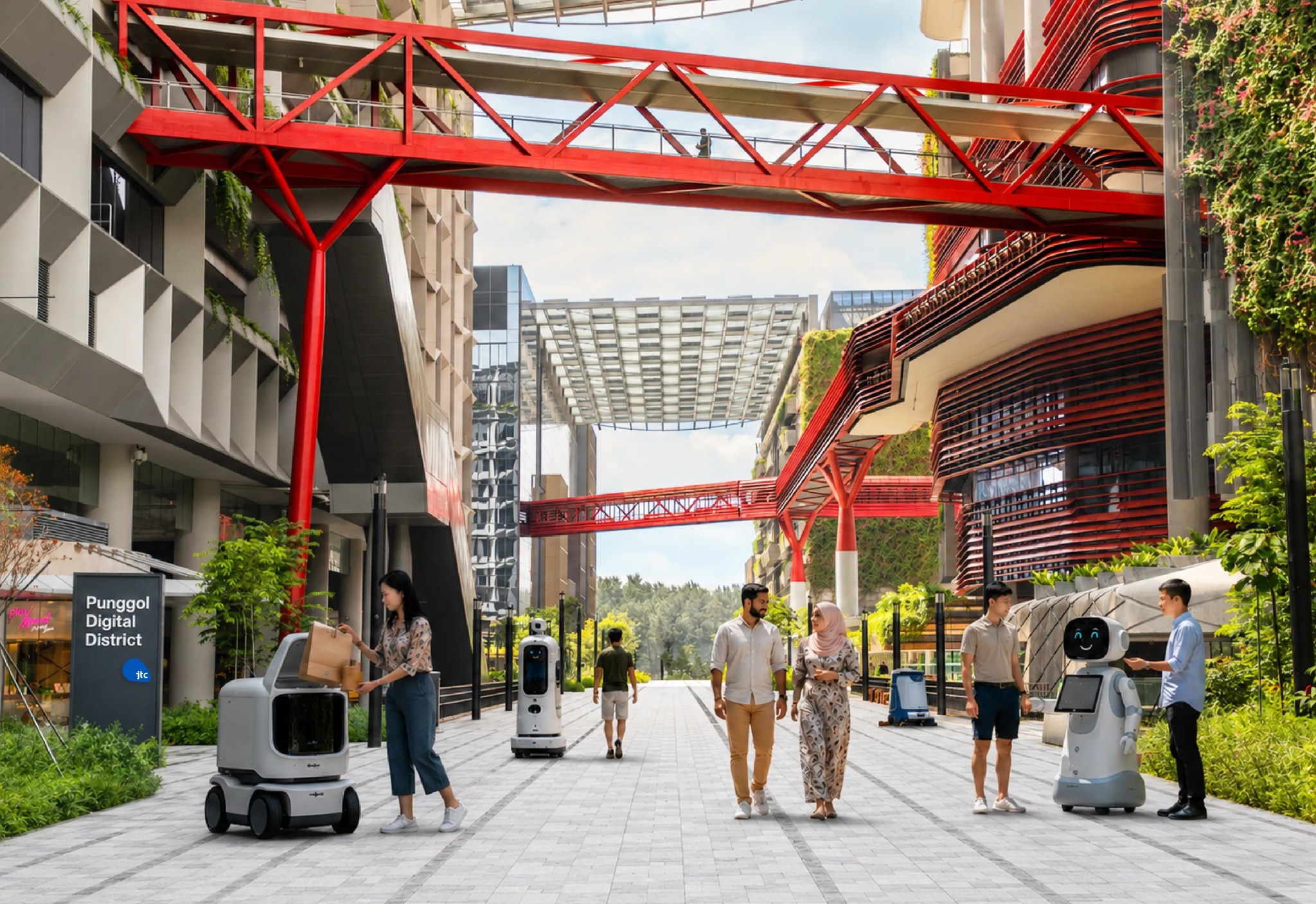
The Southeast Asian tech company will launch a pilot of its first delivery robot in Singapore’s Punggol district in late 2026, as part of a deeper push into physical AI and robotics.
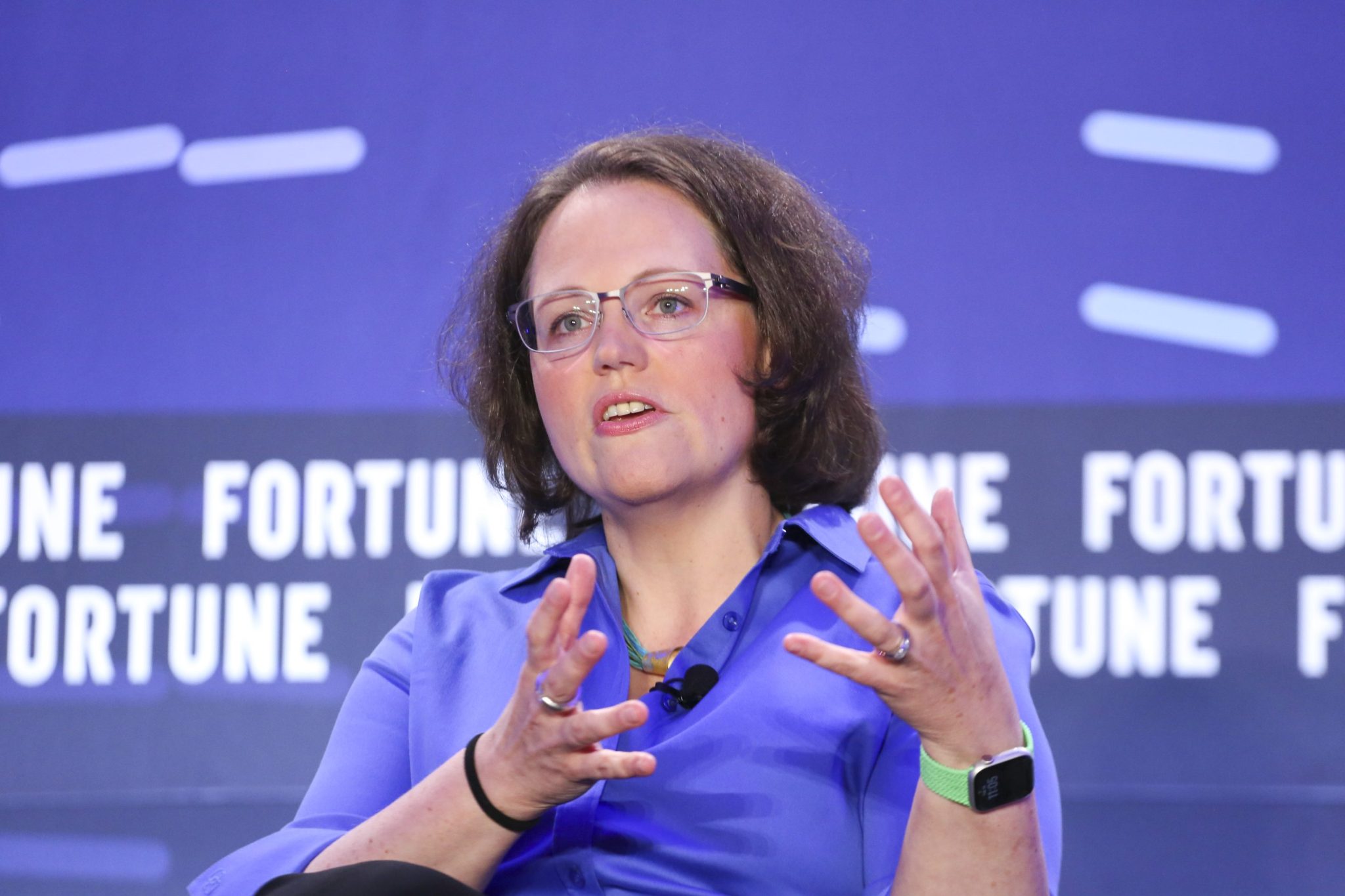
“We see AVs as really useful in supply-constrained markets,” chief technology officer Suthen Paradatheth told Fortune in an interview on the sidelines of the Asia Tech (ATx) summit on May 20. “There are certain classes of passengers which are underserved, because they’re in remote locations and drivers are not often in that area.”
Seven other companies, including DHL and local startup Quikbot, will pilot their technology in Punggol, Singapore’s hub for testing embodied AI technology, alongside Grab. While Grab’s robots will focus on food delivery, other companies will automate parcel delivery, cleaning, and security patrols.
Grab’s new robot, named Carri, will automate last-mile delivery, such as taking a package from the roadside to an apartment’s front door; Grab estimates this step takes up 10% of a driver’s working time.
“Over 70% of our deliveries are over two kilometers, but it’s the stages that come before and after [the journey] which are tedious for drivers,” Paradatheth said during a panel at the ATx summit. “This is where we see robots really adding value.”
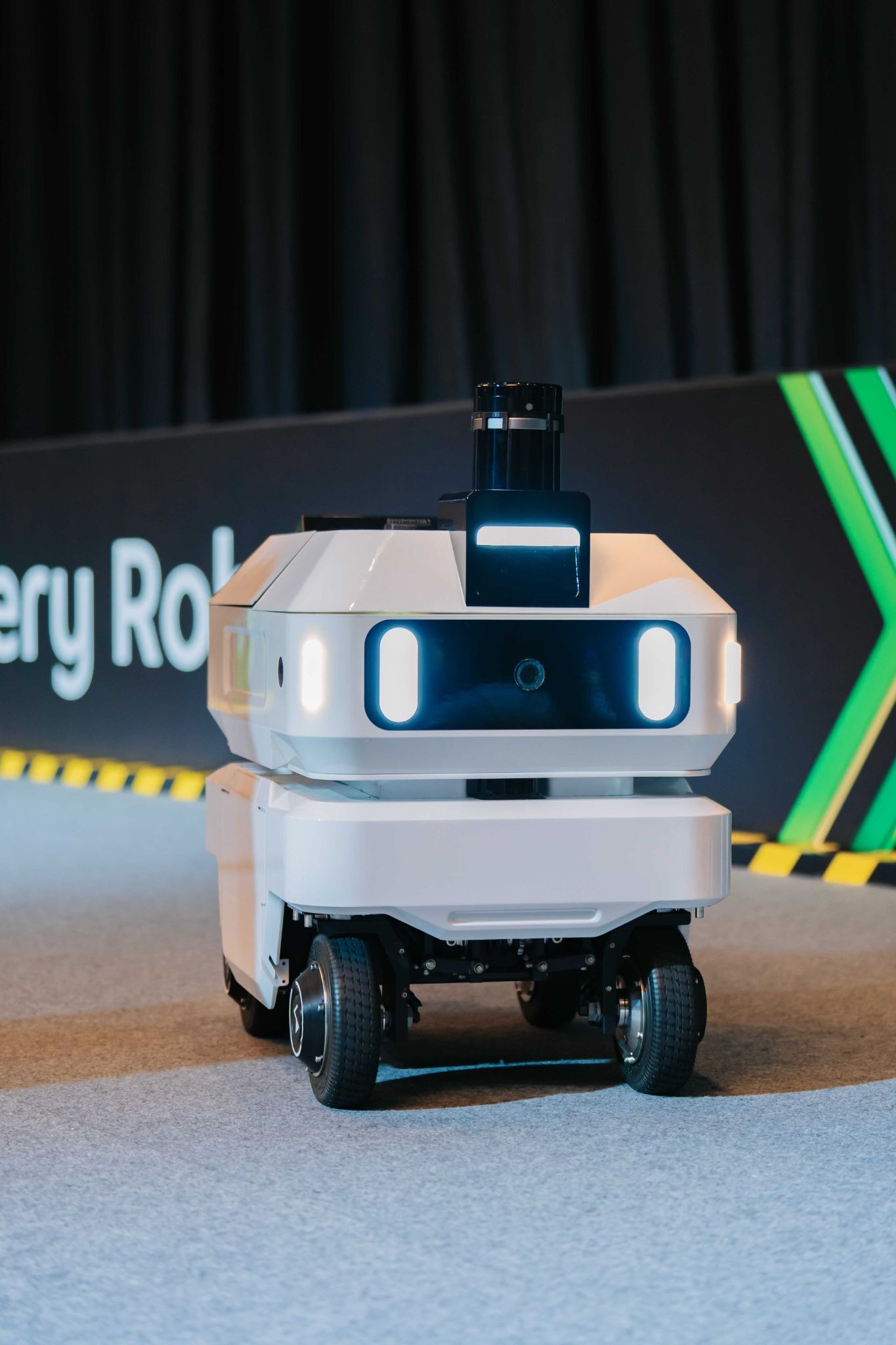
Grab sees robots as an additional source of data, complementing what it already gets from its human drivers and merchants. “Grab already has a bird’s eye view on the flows of materials and services throughout the city,” Paradatheth explained. “By adding in robots, we have a greater richness of real-time data, which will allow us more opportunities for optimization.”
“We will create an integrated data platform, design renewable test scenarios and rules that enable robots to safely operate across the district,” Josephine Teo, Singapore’s digital development and information minister, said at the ATx summit, adding that robots can help human workers expand service delivery, especially in underserved areas.
Grab’s AI push
Grab is working with Chinese automated driving firm WeRide to roll out Singapore’s first fleet of autonomous vehicles, starting with a self-driving shuttle bus that plies the roads of a local housing estate. It’s also invested in several AV startups, including WeRide, May Mobility, and Momenta.
Executives have previously discussed the labor disruption that might emerge from autonomous driving. “We see new kinds of jobs emerging. For example, drivers could be remote safety drivers, data labelers; they could change LiDARs, cameras, and so forth,” CEO Anthony Tan said in an earnings briefing last November.
Paradatheth wants to turn Grab into what he dubs a “cyborgization,” or a workplace where agents and humans work together. “Ninety percent of our engineers use AI-assisted coding tools daily,” he said. “We’re laying the groundwork for supervised autonomous software development, where a problem is given to an agent but humans review what is created before it ships out.”
Grab signed a partnership with ChatGPT developer OpenAI in 2024 to improve accessibility, mapping and customer support.
On May 20, OpenAI announced 300 million Singapore dollars ($234 million) of investment towards Singapore’s AI capabilities, including its first applied AI lab outside of the U.S. Nvidia also unveiled a Singapore research center for embodied AI, where the firm hopes to collaborate with local universities, industry partners, and government agencies to make AI infrastructure more efficient.
— Originally published at fortune.com