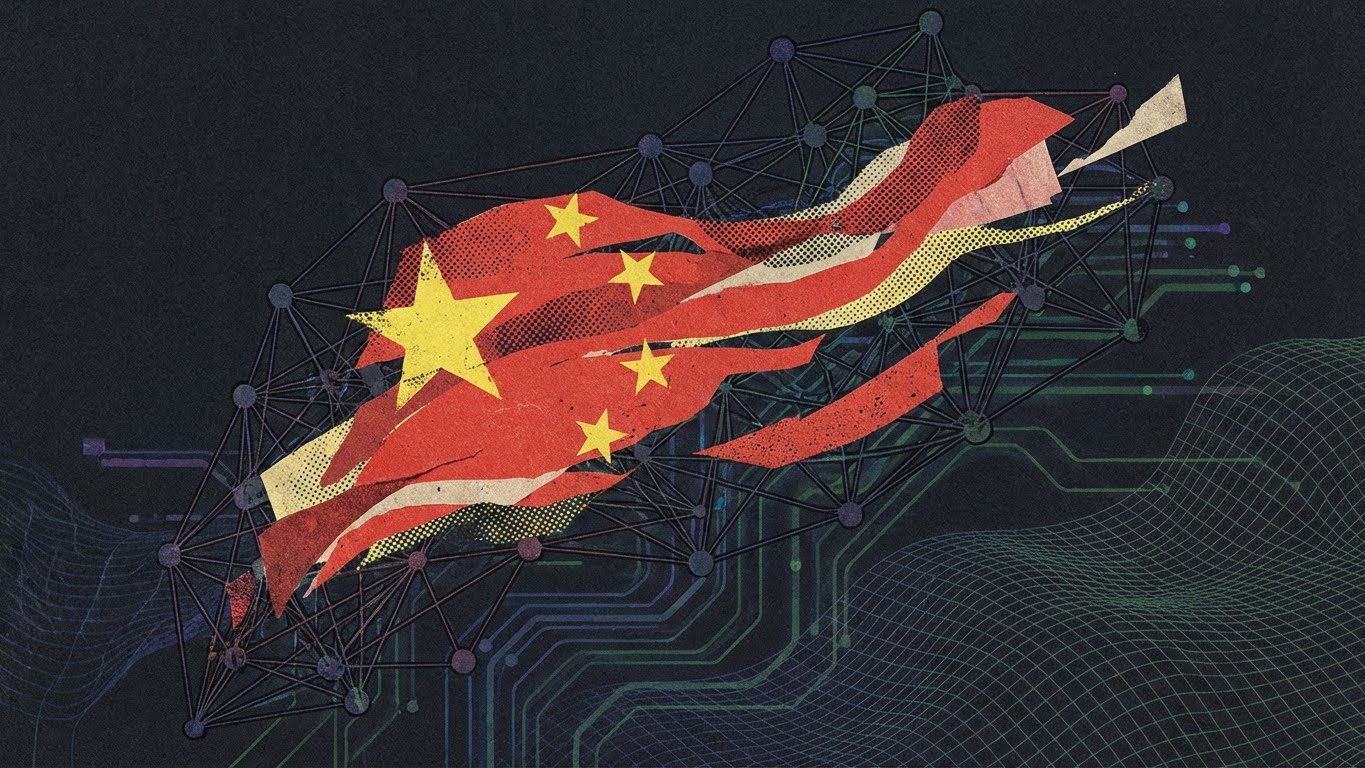
China forces its biggest AI platforms to shut down humanlike chatbot personas
Quick Answer
China's ByteDance and Alibaba are discontinuing humanlike chatbot features due to new regulations from the Cyberspace Administration, with Doubao and Qwen shutting down their persona functionalities by mid-July 2026.
Quick Take
This follows Tencent's Yuanbao, which already removed similar features in June, highlighting a growing trend of regulatory scrutiny on AI companions worldwide.
Key Points
- Doubao, with over 300 million users, will disable its persona feature on July 15.
- Alibaba's Qwen is removing human-like agents on July 10, with additional features disabled by July 15.
- New regulations ban content that fosters emotional dependencies and excessive usage.
- California's SB 243 requires AI companions to block discussions on self-harm since early 2026.
- OpenAI and Character.AI face lawsuits in the US over emotional dependency issues.
📖 Reader Mode
~1 min read

Jul 6, 2026
ByteDance and Alibaba are shutting down the features that let users build and chat with custom AI companions, responding to new regulations from Beijing. According to the South China Morning Post, Doubao, China's most popular chatbot with over 300 million monthly users, will take its persona feature offline on July 15. Alibaba's Qwen is pulling its human-like agents even sooner, on July 10, with "additional agent features" going dark on July 15. Tencent's Yuanbao already made the same move in June.
The rules behind these changes were issued by China's Cyberspace Administration in April and take effect the same day. Providers must warn against excessive use and step in when they detect addictive behavior. Content that triggers extreme emotions in minors or fosters dependencies that crowd out real-world relationships is banned. So is training on sensitive conversation data.
The trend isn't limited to China. California has required companion AI providers to block conversations about suicide and self-harm since the start of the year under SB 243. In the US, OpenAI and Character.AI face lawsuits over dangerous emotional dependency.
— Originally published at the-decoder.com
Want this in your inbox every morning?
Daily brief at your local 8am — bilingual EN/中文, free.
More from The Decoder
See more →
An AI model programmed nonstop for 19 days on a single MirrorCode task that cost $2,600 to run
Epoch AI's MirrorCode benchmark reveals Claude Opus 4.7 as the leader with a 56% solve rate, reconstructing a 16,000-line toolkit in 14 hours. Despite this, all models tested struggle with the most complex tasks, highlighting limitations in current AI capabilities. The single task consumed $2,600 over 19 days, raising questions about cost-effectiveness in AI development.

