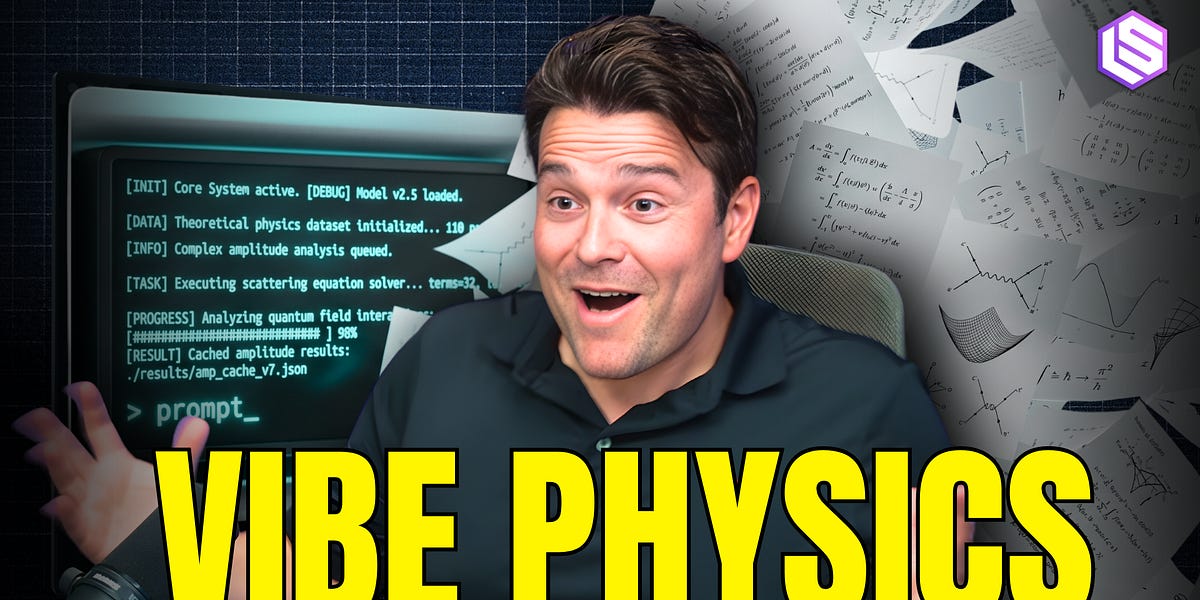
🔬Doing Vibe Physics — Alex Lupsasca, OpenAI
Quick Answer
GPT-5.x from OpenAI has made significant strides in theoretical physics and quantum gravity, deriving new results that challenge existing paradigms.
Quick Take
These advancements could reshape our understanding of fundamental physics, impacting researchers and theorists in the field. The model's ability to process complex data sets has led to innovative insights previously unattainable with conventional methods.
Key Points
- GPT-5.x derived new results in theoretical physics and quantum gravity.
- The model challenges existing paradigms in fundamental physics.
- Innovative insights were achieved through complex data processing.
- Research in the field may be significantly impacted by these findings.
- OpenAI continues to push the boundaries of AI applications in science.
Article Excerpt
From source RSS / original summaryThe full story of how GPT‑5. x derived new results in theoretical physics and quantum gravity.
Want this in your inbox every morning?
Daily brief at your local 8am — bilingual EN/中文, free.
More from Latent Space
See more →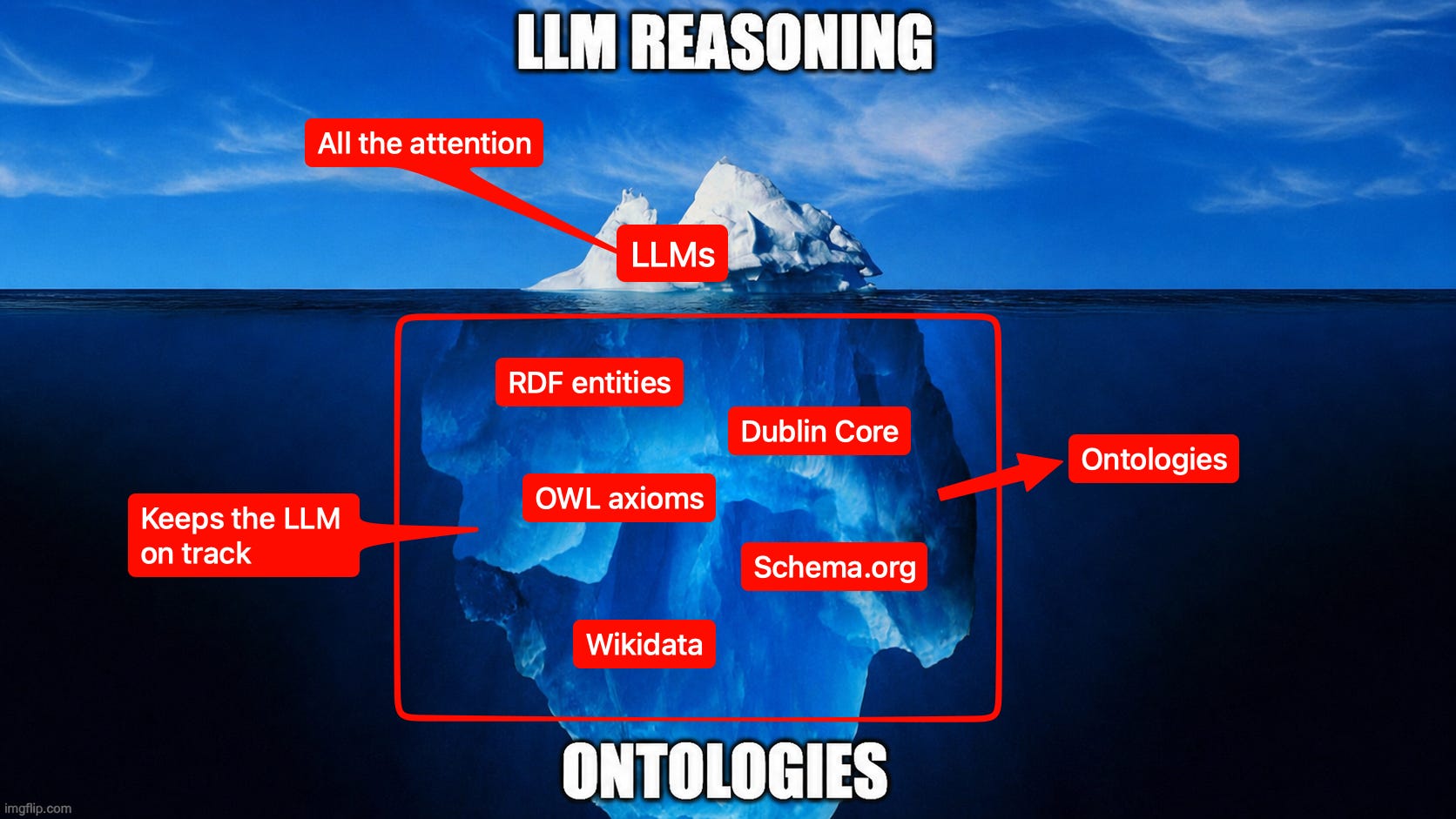
Ontologies Are So Back: Why AI Agents Are Reviving the Semantic Web
Frank Coyle at AIEWF 2026 emphasized the revival of ontologies as essential 'logical guardrails' for effective AI agents, integrating them with for better reasoning. Neo4j's Emil Eifrem highlighted three ontology types to enhance agent scalability, while Kingsley Idehen discussed the challenges and benefits of maintaining ontologies in AI systems.
![[AINews] SpaceXAI launches Grok 4.5, first Opus-class model post Cursor acquisition](https://substackcdn.com/image/fetch/$s_!8D6O!,f_auto,q_auto:good,fl_progressive:steep/https%3A%2F%2Fpbs.substack.com%2Fmedia%2FHMuQw2BXUAAJaQd.png)