
Signal’s Meredith Whittaker wants you to remember that AI chatbots ‘are not your friends’
Quick Answer
Meredith Whittaker from Signal emphasizes that AI chatbots, such as those developed by OpenAI and Google, are not conscious beings or friends, but rather tools lacking sentience.
Quick Take
This distinction is crucial for users to understand the limitations and ethical implications of interacting with these technologies.
Key Points
- AI chatbots are tools, not conscious entities or friends.
- Whittaker warns against anthropomorphizing AI technologies.
- Understanding AI limitations is crucial for ethical interactions.
- Users should be aware of the non-sentient nature of chatbots.
- The conversation highlights the need for responsible AI usage.
📖 Reader Mode
~1 min readIn Brief
Posted:

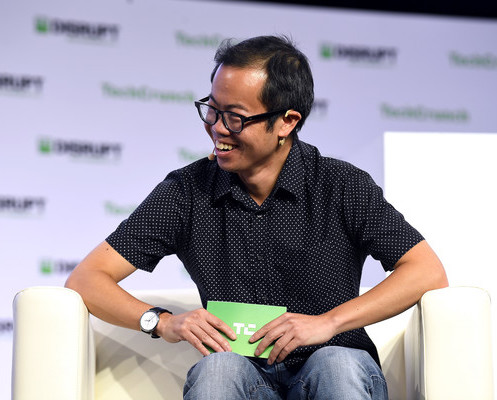
Asked about the privacy implications of chatbots like ChatGPT and Claude, Signal President Meredith Whittaker answered, “These are not your friends. These are not conscious beings. These are not sentient interlocutors.”
Whittaker made those comments in a broader interview with Bloomberg about policy, privacy, and Signal. She acknowledged that she uses AI tools “to format a document here and there,” but insisted, “I don’t ask them questions. I’m very serious about my thinking and writing, and I don’t want the process of working through an idea […] to be foreclosed or eclipsed by the response of a system that’s averaging what’s already out there.”
As for Microsoft AI CEO Mustafa Suleyman’s prediction that users could let Microsoft Copilot handle all their Christmas shopping this year, Whittaker argued this scenario — where Copilot is eavesdropping on the family group chat to determine who wants want — means giving it “access to my credit card, my browser, my Signal, the ability to message my siblings on my behalf, my home address [and] my calendar.”
“What you’ve just described is a system with very pervasive access across multiple applications and services,” Whittaker said. “In the context of Signal, it would constitute a kind of a backdoor.”
Topics
Subscribe for the industry’s biggest tech news
Latest in AI
— Originally published at techcrunch.com
Want this in your inbox every morning?
Daily brief at your local 8am — bilingual EN/中文, free.
More from TechCrunch
See more →
AI chip startup Etched defies skeptics, hits $10.3B valuation from big-name investors
AI chip startup Etched has achieved a $10.3 billion valuation after a $300 million Series C funding round, led by Sequoia and supported by notable investors like Andreessen Horowitz. The company claims to have developed innovative low-voltage chips for AI inference, significantly enhancing performance and reducing costs, with $1 billion in orders already booked.

