
Apple Vision Pro exec is reportedly leaving for OpenAI
Quick Answer
Paul Meade, the VP overseeing Apple's Vision Pro headset, is set to leave the company to join OpenAI's hardware team.
Quick Take
His departure could influence the development of AI-driven hardware solutions at OpenAI, leveraging his expertise from Apple's innovative projects.
Key Points
- Paul Meade was instrumental in the development of the Vision Pro headset.
- His move to OpenAI may enhance their hardware capabilities.
- The transition highlights ongoing talent shifts in tech companies.
- OpenAI's hardware team is expected to benefit from Meade's experience.
📖 Reader Mode
~1 min readIn Brief
Posted:
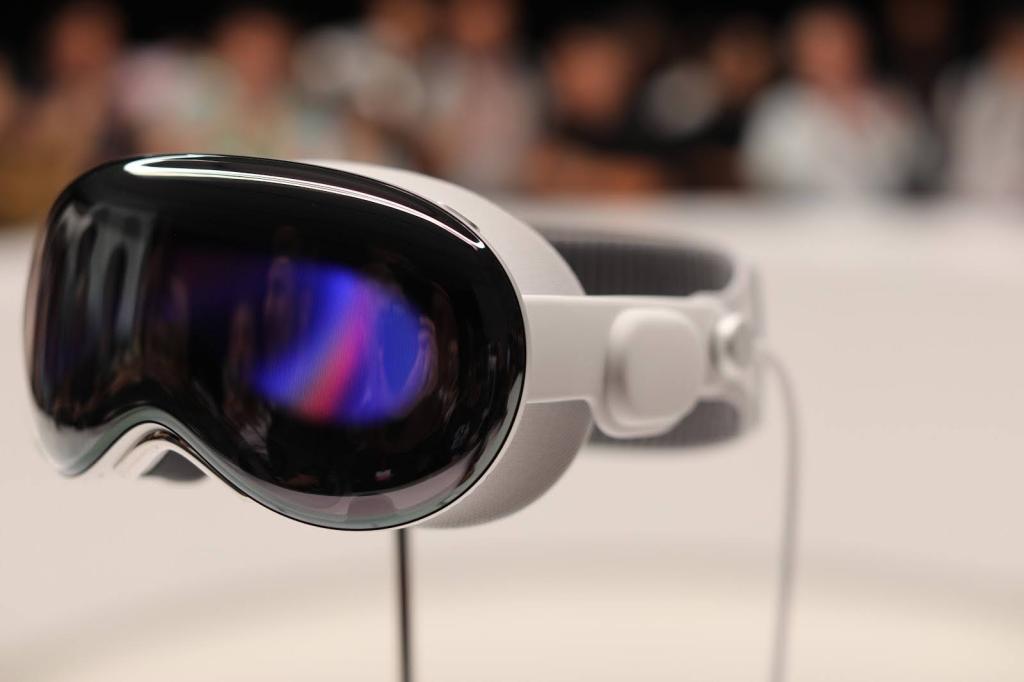
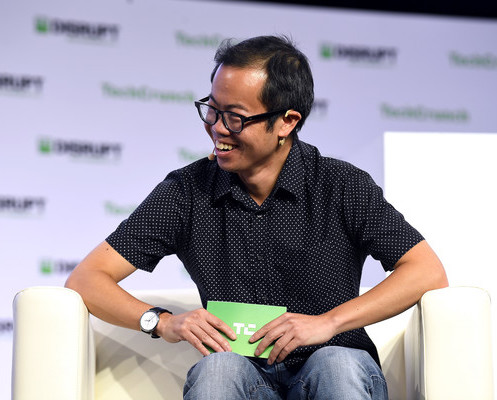
Paul Meade, the Apple vice president in charge of the Vision Pro headset, is leaving the company to join OpenAI’s hardware team, according to Bloomberg’s Mark Gurman.
Meade also reportedly led the development of the AI-powered smart glasses that Apple plans to launch next year. The costly Vision Pro was not a hit, but Apple is hoping that more affordable smart glasses will help it compete with wearable devices from Meta.
Gurman frames this departure as a byproduct of John Ternus’ imminent elevation to Apple CEO, and of Ternus’ decision to shake up the hardware engineering team, which left some of the company’s vice presidents feeling like they’d been demoted.
OpenAI, meanwhile, is already working with Apple’s former chief design officer Jony Ive on an AI device that CEO Sam Altman has claimed will be more peaceful and calm than an iPhone, though reports last fall suggested the company was struggling to get the details right.
TechCrunch has reached out to Apple and OpenAI for comment.
Topics
Subscribe for the industry’s biggest tech news
Latest in Hardware
— Originally published at techcrunch.com
Want this in your inbox every morning?
Daily brief at your local 8am — bilingual EN/中文, free.
More from TechCrunch
See more →
AI chip startup Etched defies skeptics, hits $10.3B valuation from big-name investors
AI chip startup Etched has achieved a $10.3 billion valuation after a $300 million Series C funding round, led by Sequoia and supported by notable investors like Andreessen Horowitz. The company claims to have developed innovative low-voltage chips for AI inference, significantly enhancing performance and reducing costs, with $1 billion in orders already booked.

