Daily Brief
Generated each morning. Top AI stories of the day, categorised.
DeepSignal — 2026-05-14
Today's 20 highest-signal stories across 6 verticals, curated by DeepSignal.
Finalised. Subscribers will receive this shortly.
20 stories6 verticals
Today's Highlights
10- 01Intel, Qualcomm confirm Googlebook AI laptop partnerships, opening ARM andx86 possibilities for new OS — Google VP says devices to also ship with MediaTek chips
Intel and Qualcomm partner with Googlebook for Gemini-powered AI laptops, expanding ARM and x86 options.
- 02AlphaEvolve: How our Gemini-powered coding agent is scaling impact across fields
AlphaEvolve utilizes Gemini algorithms to enhance efficiency in various sectors including business and science.
- 03Think Twice, Act Once: Verifier-Guided Action Selection For Embodied Agents
Today by Vertical
6Hardware
Recent developments in the semiconductor industry highlight the growing demand for AI chips and the evolving partnerships among major players. Intel and Qualcomm have confirmed their collaboration with Googlebook to launch Gemini-powered AI laptops, which will broaden the options for ARM and x86 architectures in new operating systems, as detailed in this article. Meanwhile, Chinese companies are ramping up their production of domestic AI chips in response to Nvidia's absence from the market, as reported by CNBC Tech. Additionally, Cerebras has seen its shares double in a successful IPO, reinforcing the notion that AI chip demand is robust, according to Fortune. These trends indicate a significant shift in the semiconductor landscape, suggesting that builders and investors should closely monitor these developments to capitalize on emerging opportunities.
Robotics
Recent advancements in robotics highlight the growing intersection of AI and practical applications. The introduction of VeGAS, which enhances MLLM-based agents through verifier-guided action selection, demonstrates a significant improvement in handling complex tasks, as discussed in this article. Meanwhile, Mind Robotics has secured $400M in funding led by Kleiner Perkins to expand industrial robotics deployment, signaling a robust investment trend in AI-driven manufacturing solutions, as noted in this article. These developments indicate a strong momentum in the robotics sector, suggesting that builders and investors should focus on integrating advanced AI capabilities into their projects to remain competitive.
Today's Observations
7- Intel and Qualcomm's partnership with Googlebook signals a shift in AI laptop design, crucial for investors eyeing hardware innovation. [1]
- AlphaEvolve's use of Gemini algorithms showcases AI's potential across sectors, indicating a ripe investment landscape for enterprise AI solutions. [2]
- VeGAS enhances MLLM agents' robustness, suggesting that improved AI performance can lead to better operational efficiency in robotics. [3]
- The push for Agentic AI as a pathway to AGI highlights the need for policy alignment, essential for builders in AI development. [4]
- Chinese firms ramping up AI chip production amid Nvidia's absence presents a strategic opportunity for investors in the semiconductor space. [9]
- Furientis' $5 million funding for defense innovations emphasizes the growing market for AI-driven security solutions, a key area for operators. [14]
- Lake Tahoe's potential power crisis due to AI data centers underscores the regulatory challenges facing tech expansion, impacting future investments. [18]
Featured
6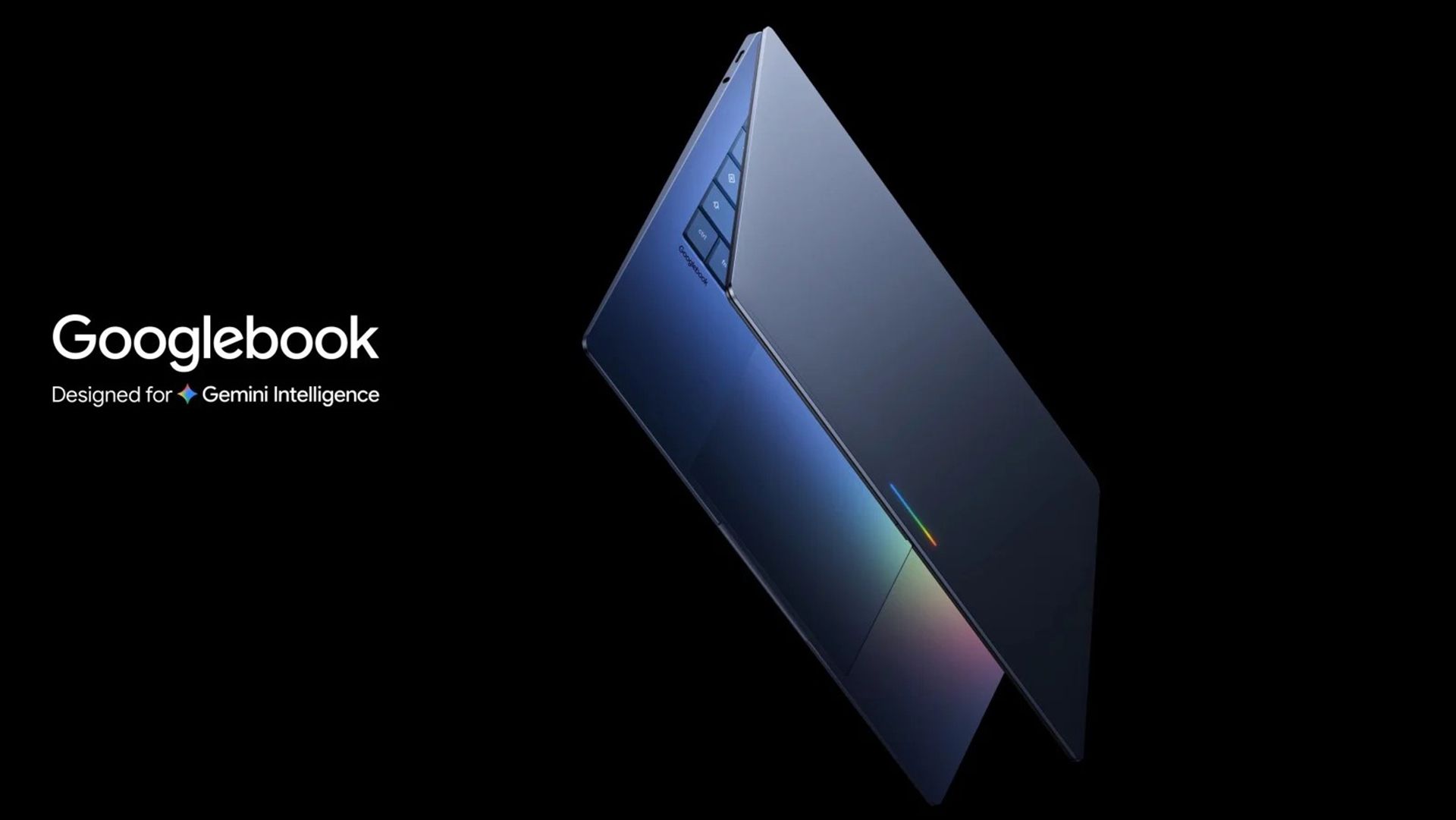
4d ago
FeaturedOriginal
Intel, Qualcomm confirm Googlebook AI laptop partnerships, opening ARM andx86 possibilities for new OS — Google VP says devices to also ship with MediaTek chips
AI Summary
Intel and Qualcomm partner with Googlebook for Gemini-powered AI laptops, expanding ARM and x86 options.
Why Featured
The partnership between Intel, Qualcomm, and Googlebook signifies a shift in hardware compatibility for AI laptops, presenting developers and investors with new opportunities in OS development and chip integration.
References
20- 01Intel, Qualcomm confirm Googlebook AI laptop partnerships, opening ARM andx86 possibilities for new OS — Google VP says devices to also ship with MediaTek chips— Tom's Hardware
- 02AlphaEvolve: How our Gemini-powered coding agent is scaling impact across fields— Google DeepMind
- 03Think Twice, Act Once: Verifier-Guided Action Selection For Embodied Agents— arXiv cs.AI
- 04Position: Agentic AI System Is a Foreseeable Pathway to AGI— arXiv cs.AI
- 05Lovable just backed a company that’s looking to bring vibe coding to hardware— TechCrunch
- 06

