Best Text-to-Speech TTS Models in 2026: A Benchmark-Based Comparison
Quick Take
In 2026, text-to-speech technology advanced significantly, with a benchmark comparison highlighting top models like Google's WaveNet and Amazon's Polly. Key factors such as quality, latency, and cost were analyzed, enabling engineers to select the most suitable TTS model for their applications.
Key Points
- Google's WaveNet leads in quality but has higher latency compared to others.
- Amazon's Polly offers competitive pricing with extensive language support.
- Open-weight models are gaining traction for flexibility and cost-effectiveness.
- Engineers can now match TTS models to specific project requirements more easily.
- Benchmark results indicate significant performance differences among top models.
Article Excerpt
From source RSS / original summaryText-to-speech changed fast in 2026. This guide ranks the leading commercial and open-weight TTS models, comparing quality, latency, cost, language coverage, and licensing so engineers can match a model to the job. The post Best Text-to-Speech TTS Models in 2026: A Benchmark-Based Comparison appeared first on MarkTechPost.
Reader Mode unavailable (the site blocks scraping).
Want this in your inbox every morning?
Daily brief at your local 8am — bilingual EN/中文, free.
More from MarkTechPost
See more →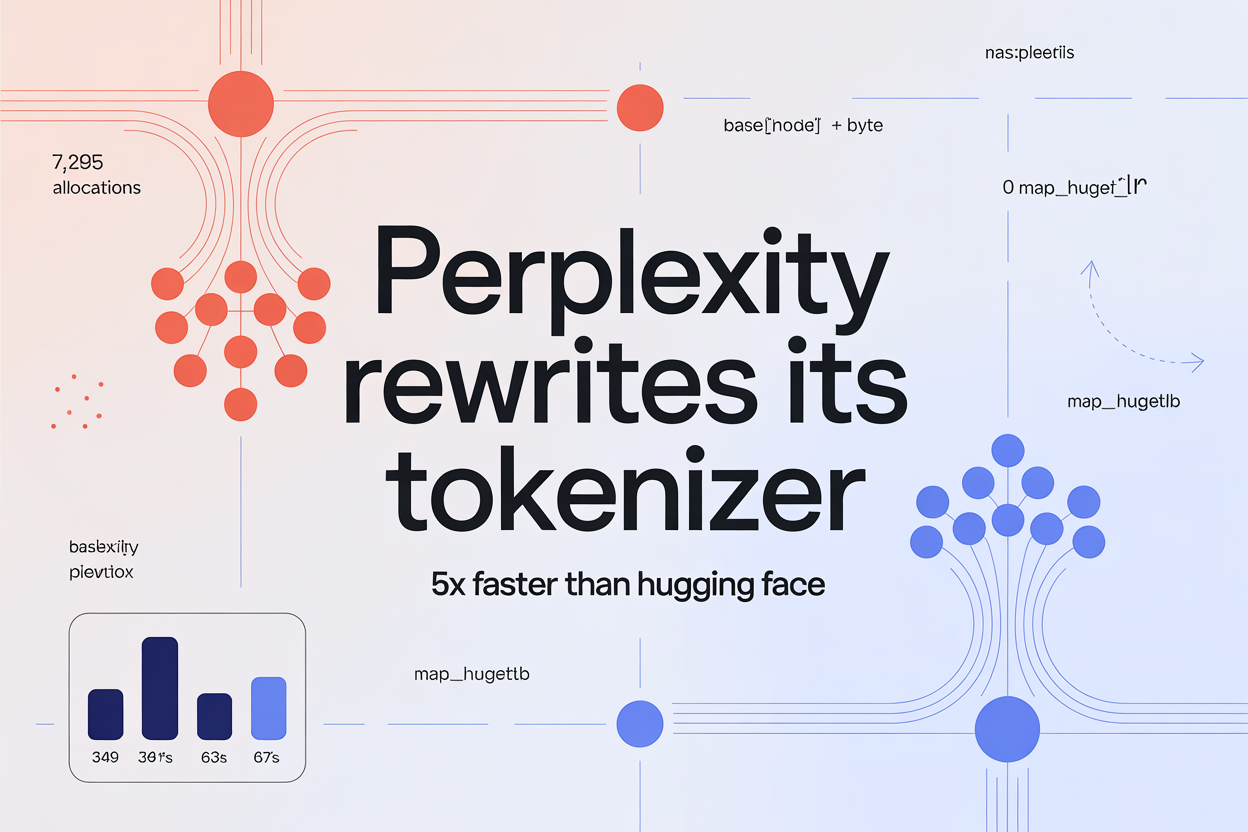
Perplexity AI Open-Sources Unigram Tokenizer That Achieves 5x Lower p50 Latency Than Hugging Face tokenizers Crate
Perplexity AI has released a rewritten Unigram tokenizer that significantly reduces reranker latency by achieving 5-6x lower p50 latency compared to Hugging Face's tokenizers. This advancement also leads to a substantial decrease in production CPU utilization, benefiting developers and companies relying on efficient tokenization in their AI applications.