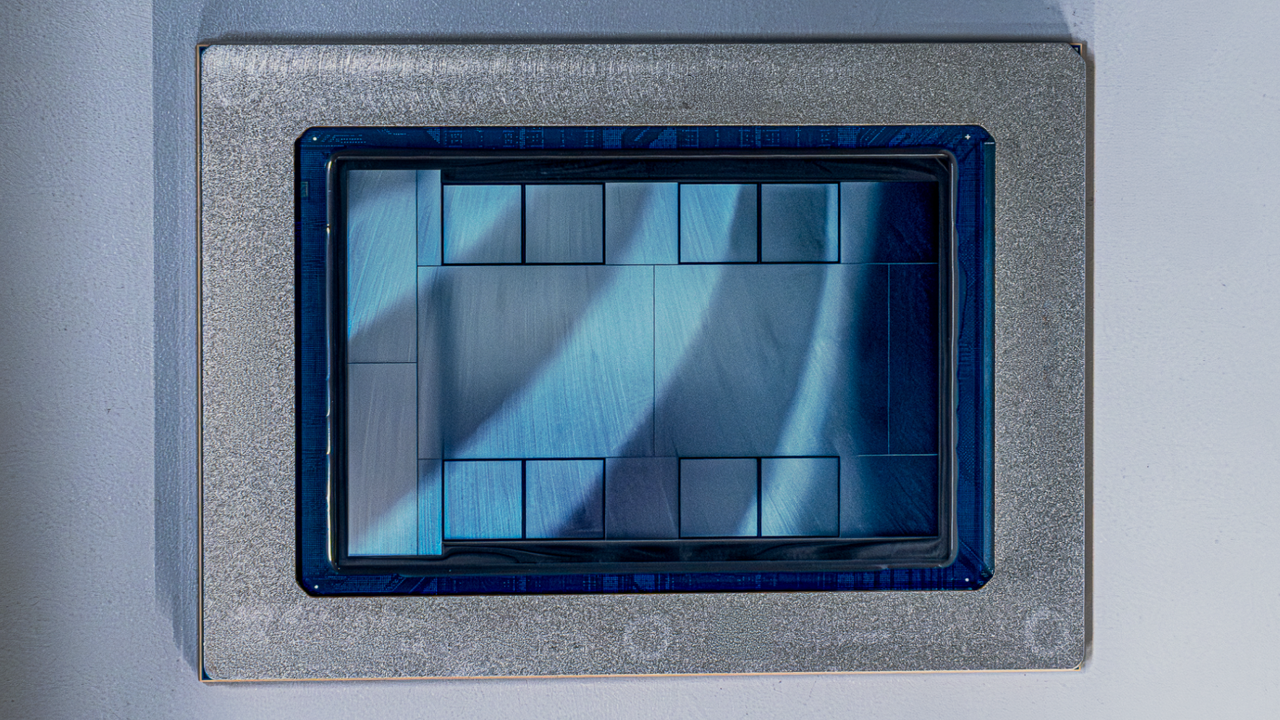
Is Micron the Next Nvidia?
Quick Take
Micron is being compared to Nvidia due to its potential in the semiconductor market.
Key Points
- Micron's stock performance shows significant growth potential.
- Analysts highlight strong demand for memory chips.
- Market trends suggest a shift towards AI applications.
📖 Reader Mode
~2 min readMicron Technology (NASDAQ: MU) is having a moment. The maker of memory chips just posted second-quarter fiscal 2026 revenue of $23.9 billion, up 196% year over year. Gross margins have scaled up past 70%, a figure that would have seemed absurd for a memory company just three years ago. The stock trades at a forward P/E below 10, while the semiconductor industry median is around 30.
If you squint, it looks a lot like Nvidia (NASDAQ: NVDA) before everyone figured out that the chip designer would dominate the artificial intelligence (AI) hardware bonanza. So naturally, the question is circulating: Is Micron the next Nvidia? I've spent some time with this question.
Will AI create the world's first trillionaire? Our team just released a report on a little-known company, called an "Indispensable Monopoly," providing the critical technology Nvidia and Intel both need.
The answer is no.
But the reasoning should tell you something useful about both companies.
Why the Nvidia comparison is tempting
The Micron-as-Nvidia argument makes sense at first glance.
Micron makes high-bandwidth memory, and AI accelerators need high-bandwidth memory the way cars need wheels. There are only three companies on the planet that can make it at scale: Micron, SK Hynix, and Samsung (OTC: SSNLF). The company has confirmed its high-bandwidth memory capacity is 100% sold out through calendar year 2026, with shortages expected next year as well.
Return on equity is 40%. The addressable market could hit $100 billion by 2028. If you're looking for pick-and-shovel AI plays, Micron is a pretty compelling shovel. Just like Nvidia, right?
Tollbooth vs. destination
Well, not exactly. Micron may be a great AI investment, but it's fundamentally different from Nvidia.
-
Nvidia designs the AI accelerators, controls the CUDA software ecosystem, and defines the architectural standards that the rest of the industry builds around. Developers don't just tolerate Nvidia's platform; they actively seek it out.
-
Micron's memory is essential, but it's essential in the way that a highway is essential to a theme park. Customers pass through because they have to, not because they want to. It's fair to assume that Micron's customers would jump to Samsung or SK Hynix in a heartbeat if the other supplier offered lower prices (or any other advantage).
This distinction matters for long-term pricing power. Platform owners like Nvidia can expand their moats over time through ecosystem lock-in. Component suppliers, even critical ones such as Micron, remain vulnerable to shifts in the supply-and-demand balance.
— Originally published at finance.yahoo.com
Want this in your inbox every morning?
Daily brief at your local 8am — bilingual EN/中文, free.
More from Yahoo Finance
See more →
These Super Stocks Could Be the Biggest Winners in the AI Inference and Agentic AI Economy
The article highlights top stocks poised for growth in the AI inference and agentic AI sectors.