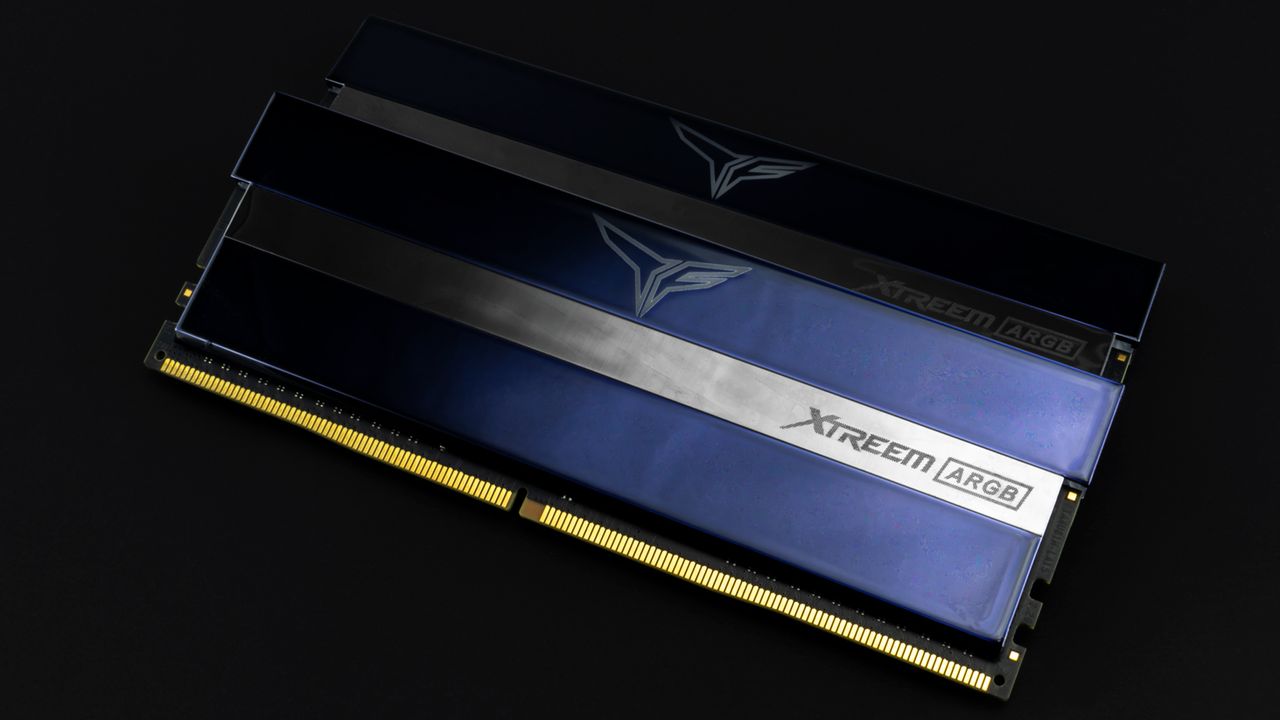
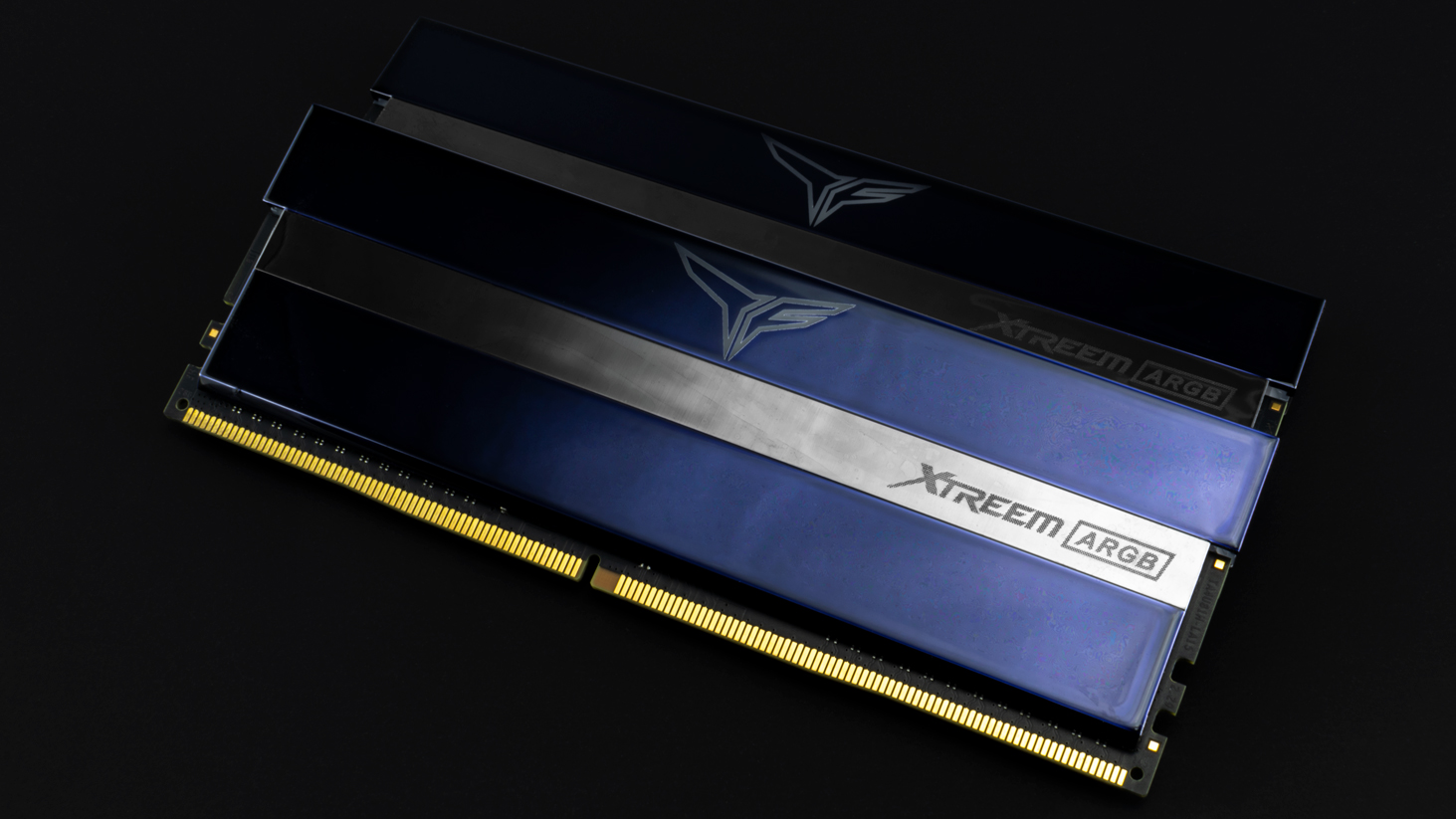
PC memory manufacturer Team Group has agreed to settle a class action lawsuit to the tune of $1.1 million over allegations it advertised deceptive speeds for its DDR3, DDR4, and DDR5 memory products purchased in the U.S. between May 3, 2020, and April 8, 2026. Similar to a recent case involving G.Skill, the lawsuit claims that consumers were led to believe that the advertised speeds on Team Group’s memory kits could be achieved out of the box without requiring BIOS tweaks or overclocking profiles.
It was alleged by the plaintiffs that the company marketed its RAM kits using rated speeds that could only be achieved after enabling XMP or EXPO memory profiles via the motherboard BIOS/UEFI menu. Team Group has denied all allegations of wrongdoing and says that its “products were appropriately labeled and performed as represented.”
As there is no fixed amount out of the total settlement fund of $1.1 million, the money will be divided among every individual who submits a valid claim. Payments will be made based on how many eligible Team Group DRAM products each person claims. The settlement also clarifies that one may claim compensation for up to five memory products per household without providing proof of purchase, while claims beyond that require supporting documentation.
Eligible customers can head to the Claim Hub website and follow the instructions carefully to file an official claim. You can also submit an objection or exclude oneself from the lawsuit completely. The deadline for the claim is currently set for July 7, 2026.
Earlier this year, G.Skill settled a similar $2.4 million lawsuit involving its DDR4 and DDR5 memory products. Plaintiffs argued that advertised speeds above JEDEC defaults required additional BIOS adjustments and overclocking settings that were not clearly disclosed on packaging or product pages. Most memory kits for modern PC platforms ship with conservative default speeds based on JEDEC standards, while higher advertised frequencies, such as DDR5-6000 or DDR5-7200, require users to manually enable XMP or EXPO profiles. The lawsuit argued that average consumers may not realize these additional steps are necessary to achieve the marketed performance levels.
G.Skill was also required to change its packaging and be clearer about overclocking and BIOS adjustments as part of its agreement. The Team Group settlement doesn't seem to include any such provisions and is rather purely offering a payout to affected buyers.

Follow Tom's Hardware on Google News, or add us as a preferred source, to get our latest news, analysis, & reviews in your feeds.